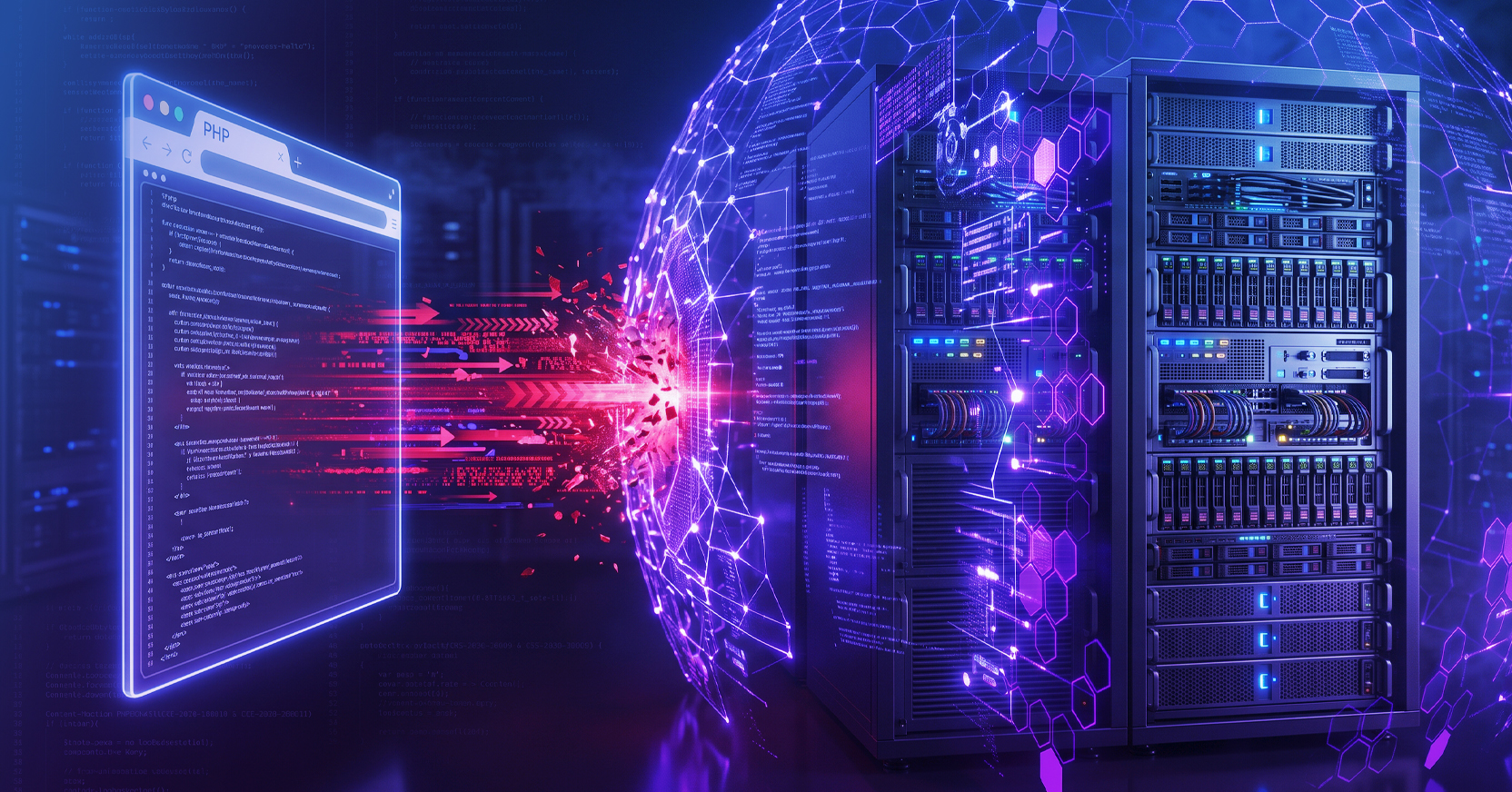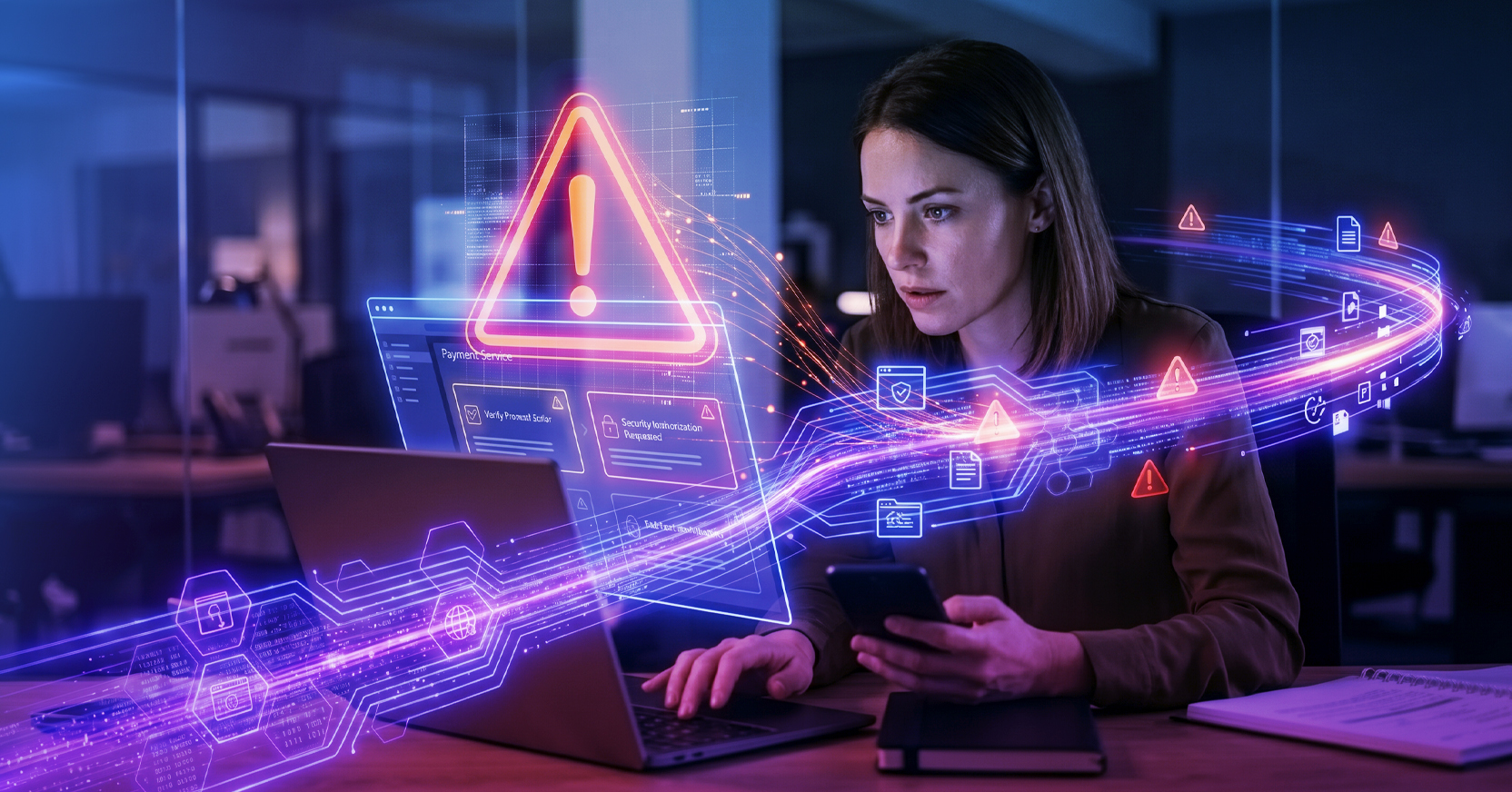
Adversaries don’t need a quantum computer today to put your data at risk. They only need to record your encrypted traffic and wait.
That tactic, known as harvest now, decrypt later, is why post-quantum cryptography (PQC) can’t wait for a confirmed “Q-Day.” Any data that must stay confidential for years, such as government records, patient information, financial data and trade secrets, is exposed the moment it is captured, not the moment it is decrypted.
Quantum computers capable of breaking today’s public-key encryption don’t exist yet. But multiple independent estimates now place their arrival between 2030 and 2035, and that window has narrowed sharply in just the last few years. The NSA has publicly warned that adversaries may already be collecting encrypted data in anticipation.
Three facts make this urgent:
For most web traffic, the transition is happening through a hybrid approach. X25519MLKEM768, now the default in major browsers and widely supported by large web platforms, combines two methods in a single TLS 1.3 handshake:
A hybrid connection is protected by both methods at once. If either one is ever weakened, the other still holds. Some government guidance, such as the NSA’s CNSA 2.0, ultimately points toward ML-KEM on its own, but hybrid is how most of the web is making the move today, and it keeps connections compatible with every modern browser.
Hybrid only works when both sides of a connection support it. When a server hasn’t upgraded, the connection falls back to classical encryption, the same protection the web relies on today. That’s why adoption has to happen across every system traffic passes through, not just at the browser.
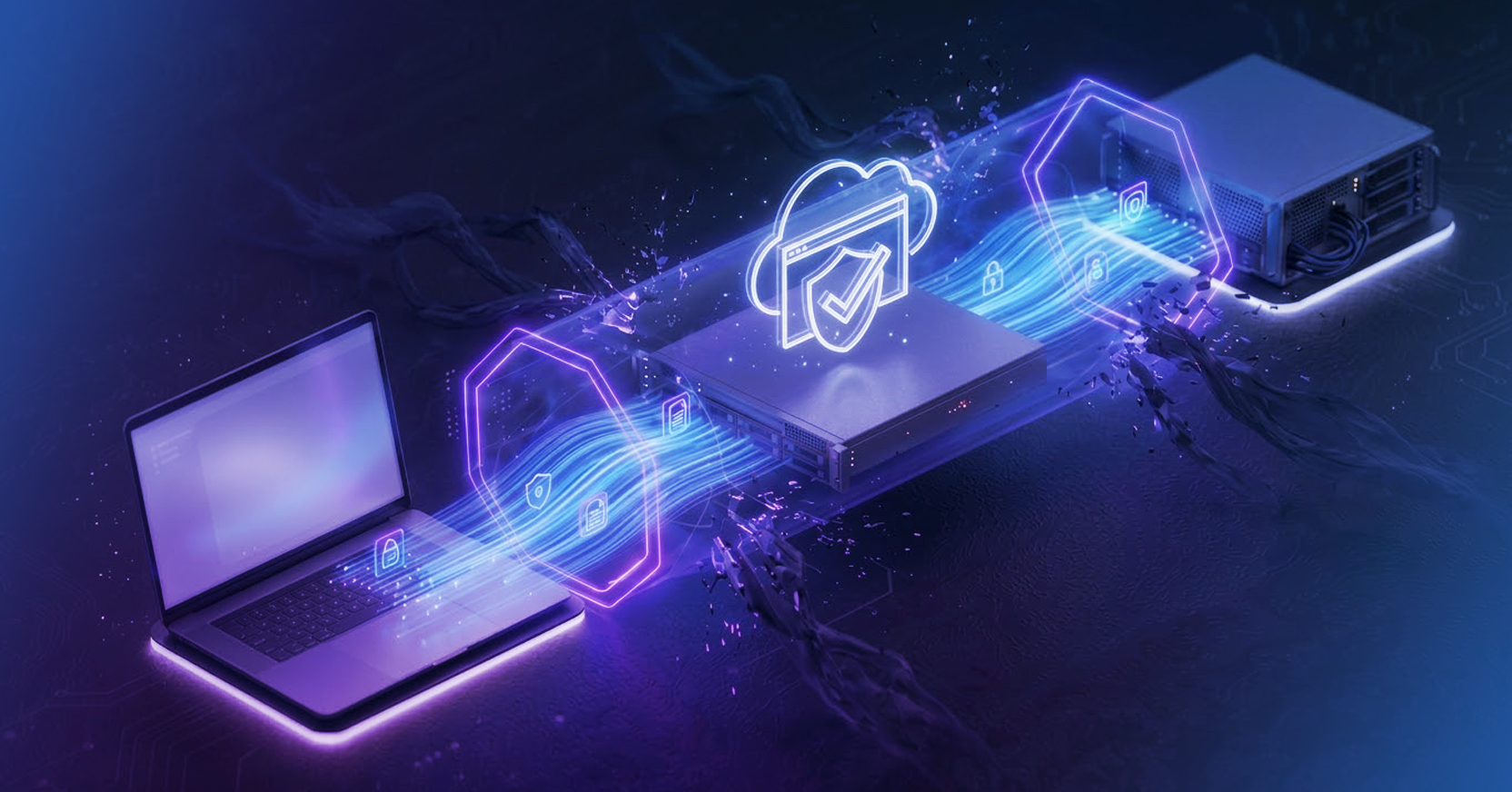
Most PQC conversations focus on a single hop. But enterprise web traffic rarely travels in one hop. It passes from the user’s browser to a security service, and from that service to the destination website. Each leg is a place where traffic can be harvested.
A PQC strategy that protects one leg and leaves another unaddressed still leaves data exposed. Security teams should also make sure quantum-resistant encryption doesn’t create a blind spot. Traffic that can’t be inspected for threats and data loss trades a future risk for a present one.
As vendors announce PQC support, the details matter. Ask:
One caution: post-quantum digital signatures are a separate technology that no public certificate authority or major browser uses yet. Key exchange is where harvest-now, decrypt-later risk lives today. Be wary of claims of end-to-end quantum safety.
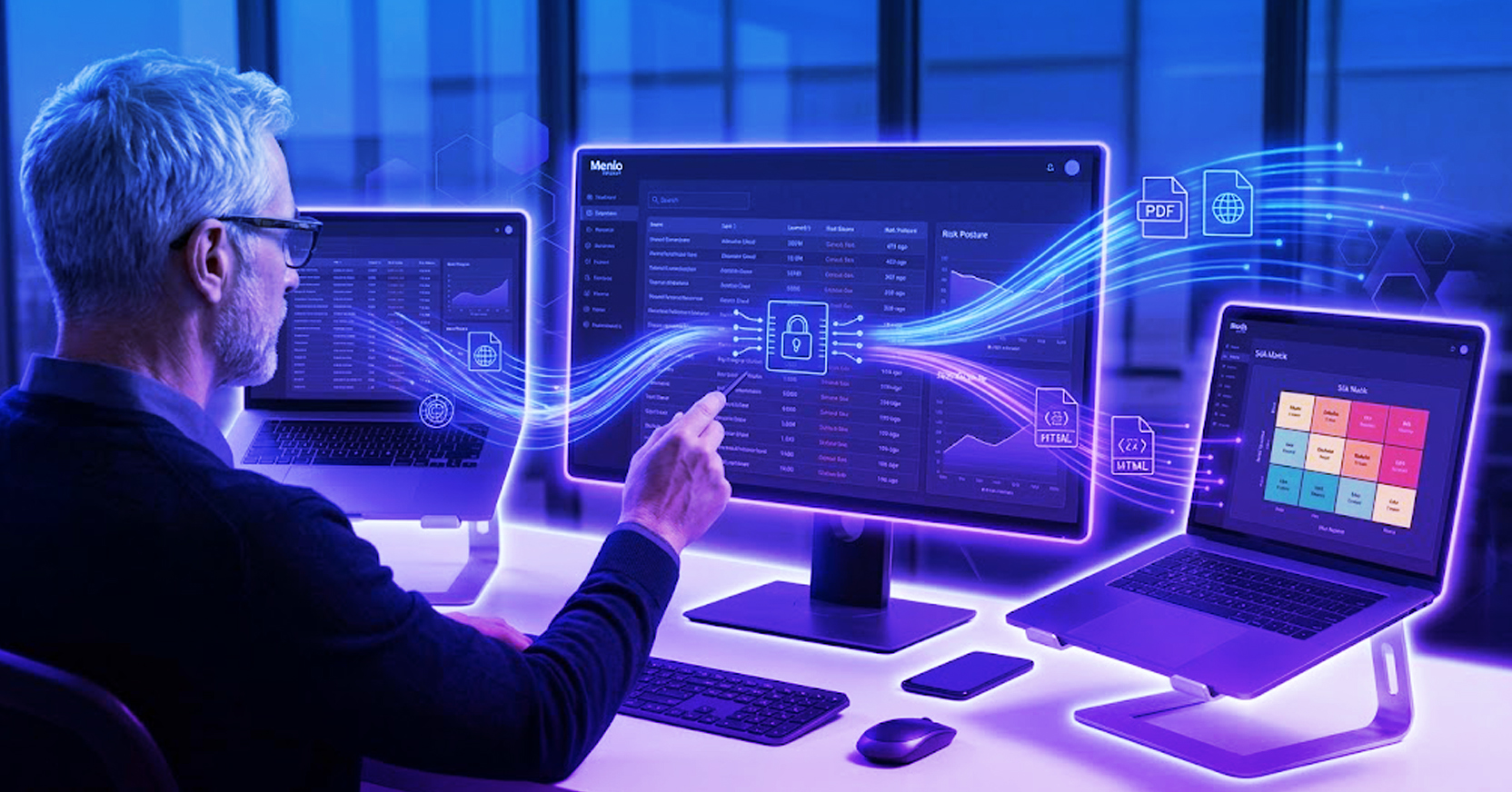
Menlo Security supports hybrid post-quantum key exchange (X25519MLKEM768) over TLS 1.3 today, built into the same platform that already secures browsing, application access and enterprise data.
In Private Cloud and on-premises deployments, the isolated-browser-to-destination leg supports PQC today, and the client-to-proxy leg is on the roadmap.
No one can say exactly when a cryptographically relevant quantum computer will arrive. But traffic captured today can be decrypted later, which makes waiting for certainty the riskiest option.
Learn more: Read the Menlo PQC solution brief · Talk to a Menlo expert
Menlo Security