This article argues that modern security often starts too late. Many tools detect, alert, and respond after risk has already entered the environment, but attackers win in the gap between activity and response. The piece introduces upstream security as a prevention-first model focused on stopping two critical moments before they happen: malicious code execution and sensitive data exposure.
It explains how those risks appear in everyday work. Users open links, download files, upload documents, move between SaaS apps, share data, and use AI tools to get work done. These workflows are necessary, but they also create the points where attacks and exposures begin. The article explains why browser, file, and data controls need to work together rather than operate as separate layers.
Why Enterprise Security Must Move Upstream
Modern security teams are not short on tools. They have detection engines, endpoint agents, network controls, sandboxes, data loss prevention policies, alert queues, and response workflows, all designed to identify risk and contain damage quickly.
The real problem is timing. Too many controls activate only after risk has already entered the environment. A file has already reached the user. Web content has already been executed in the local browser. Sensitive data has already moved into a SaaS app, AI tool, external workflow, or destination where it should not be. By then, the organization is already behind the event.
That delay creates the opening that attackers rely on. They do not need every control to fail forever. They need one risky moment to happen first: a malicious file opens, a browser exploit executes, or sensitive data becomes visible to the wrong person, app, or system. After that, security is investigating and containing what has already started.
Upstream security reduces risk before the two moments attackers depend on most: execution and exposure. It moves protection closer to the beginning of the attack path, before malicious code has a place to run and before sensitive data reaches the wrong destination. If security begins after those moments, it begins too late.
Every successful attack needs an opening. In this upstream model, that opening comes down to one or both of two moments: execution and exposure.
Execution is when malicious code runs or interacts with the user’s environment. It may come through a browser exploit, a malicious script, a compromised page, or a weaponized file that looks routine until someone opens it. The attacker’s goal is to get code close enough to a user, device, browser, or session to act.
Exposure occurs when sensitive data leaves its intended context and becomes available somewhere it should not be. A user may upload regulated data into an AI tool, share a document with an external partner, paste customer information into a SaaS workflow, or move a file into a location with the wrong permissions.
These moments can happen separately, but they often reinforce each other. A browser exploit may execute before endpoint tools recognize it. A weaponized document may trigger after it reaches the employee. A routine upload may expose sensitive data before security has enough context to intervene.
That is the timing problem upstream security is designed to solve. Traditional controls often surface risk after the decisive moment has already occurred. The alert may still matter, but the attack path has already begun.
Detection-based security still has a critical role. Security teams need visibility, alerts, investigation paths, and response workflows. The issue is not whether detection matters. The issue is what happens when detection becomes the first real opportunity to stop risk.
A tool must identify suspicious behavior, inspect content, compare activity against known patterns, generate an alert, and route it into a workflow. That process may happen quickly, but it still begins after risk has appeared.
Attackers build their strategies around that delay. They use unknown payloads that do not match existing signatures. They hide malicious behavior inside files that look routine. They use phishing and social engineering to involve the user in the delivery path. They move through encrypted sessions and browser-based workflows where traditional controls have limited visibility. By the time something looks suspicious enough to trigger an alert, the risky condition may already exist.
That leaves security teams carrying the operational burden: alerts to investigate, files to quarantine or release, policies to tune, users to train, and incidents to reconstruct after the fact. The work is necessary, but much of it begins after the decisive moment has already passed.
Upstream security changes the timing. It is designed to prevent the risky condition from forming in the first place. To do that, security has to move closer to the workflows where risk begins.
Execution is one of the most dangerous moments in the attack chain because it gives malicious content a chance to act. Once code runs locally, it can interact with the user’s device, browser, identity, session, and data. At that point, the organization is no longer managing potential risk. It manages contact between the threat and the environment.
Traditional controls try to reduce that risk through inspection and detection. They analyze pages, scan downloads, compare activity against known patterns, and block what looks suspicious. But attackers know how to disguise content, shift infrastructure, change payloads, and exploit rapidly evolving browser-based workflows.
A stronger model changes the default. Instead of asking whether web content is safe enough to run locally, it prevents that content from executing on the user’s device in the first place.
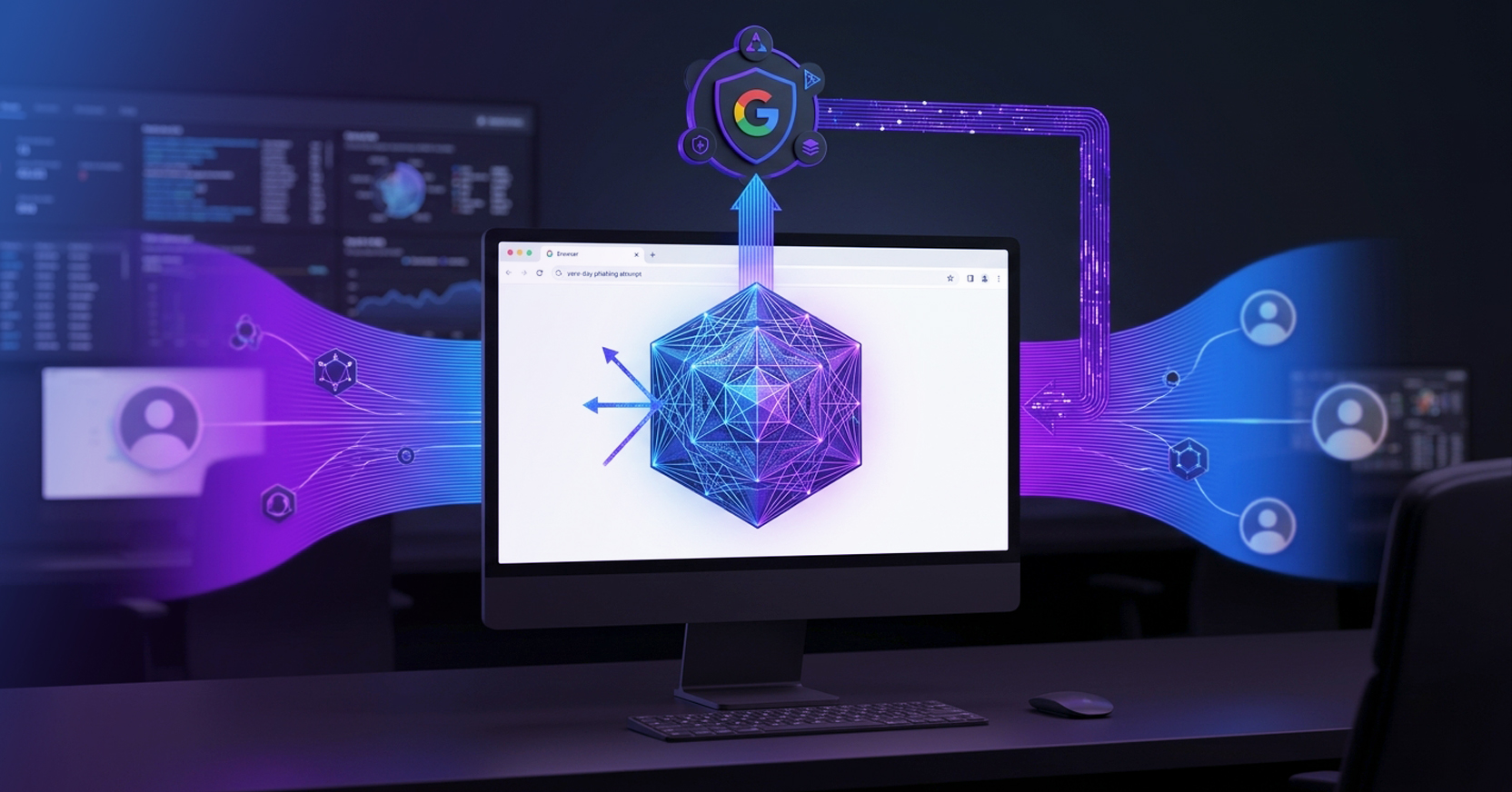
The Menlo Secure Enterprise Browser isolates web content from the endpoint, so risky content executes in the cloud rather than on the user’s device. Users can still browse, open pages, and work as usual, but malicious code cannot establish a local foothold.
Exposure risk begins when content or data reaches the wrong place in a usable form.
That might mean a malicious file reaches an employee unchanged, sensitive information is shared externally, or private data is uploaded to an AI assistant, SaaS app, or third-party workflow without proper controls. The intent may be harmless. The exposure is still real.
File sanitization (aka Content Disarm and Reconstruction) removes hidden threats before files are opened or shared. Instead of asking users to spot the risk or having security teams manually review suspicious content, sanitization cleans the file before it becomes a delivery mechanism. Menlo File Security addresses this risk before files containing hidden threats cross endpoints to be used in a harmful way. Plus, Menlo reconstructs files with all functionality intact, avoiding delays in workflows or productivity.
Data obfuscation protects sensitive data before it is exposed. If private information is moving into a risky destination or being received by users without proper permissions, obfuscation reduces the chance that sensitive content is revealed to the wrong user, app, or system. Menlo AI Adaptive DLP addresses this risk by masking sensitive data in real-time before it can be seen by unauthorized users. This means, workflows can continue, but data is no longer exposed in its original form - all configurable with fine-grain policy controls.
Reactive security creates work after the risky moment has already happened. Every alert needs review. Every suspicious file may require a decision. Every policy exception adds overhead. Every delay gives the attack chain more room to move.
That burden shapes how security teams spend their time. Analysts chase signals. Administrators tune policies. Users wait for files, approvals, or restored workflows. The more risk enters the environment, the more work the organization has to do downstream.
Upstream security reduces that burden by preventing risky conditions before they generate noise. If web content does not execute locally, there is less endpoint activity to investigate. If files are sanitized before use, there are fewer quarantine decisions to make. If sensitive data is masked before exposure, there are fewer incidents to reconstruct.
This does not replace detection and response. It makes those tools more effective by reducing the threats, exposures, and ambiguous events they have to handle.
Security teams can spend less time asking, “Did something bad just happen?” and more time improving policy, visibility, and resilience.
For CISOs and security leaders, upstream security matters because it connects prevention to how the business actually operates. It lowers the likelihood of compromise, reduces avoidable alerts, and protects users without slowing their work. It also puts controls closer to the workflows where risk begins, reducing dependence on perfect user behavior across AI, SaaS, file sharing, browser activity, and data movement.
See how Menlo helps organizations stop execution and exposure risk before they disrupt the business.
Menlo Security