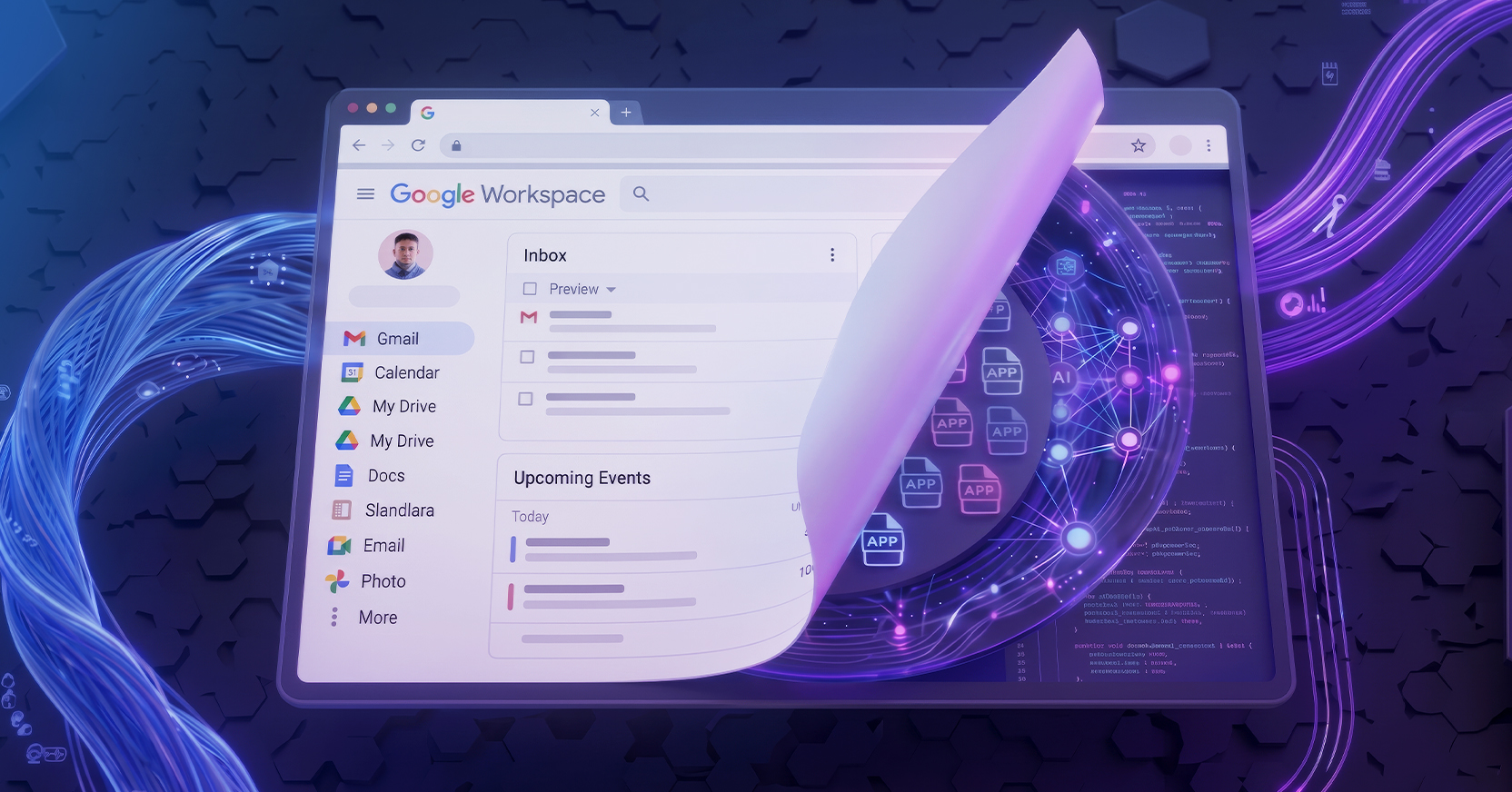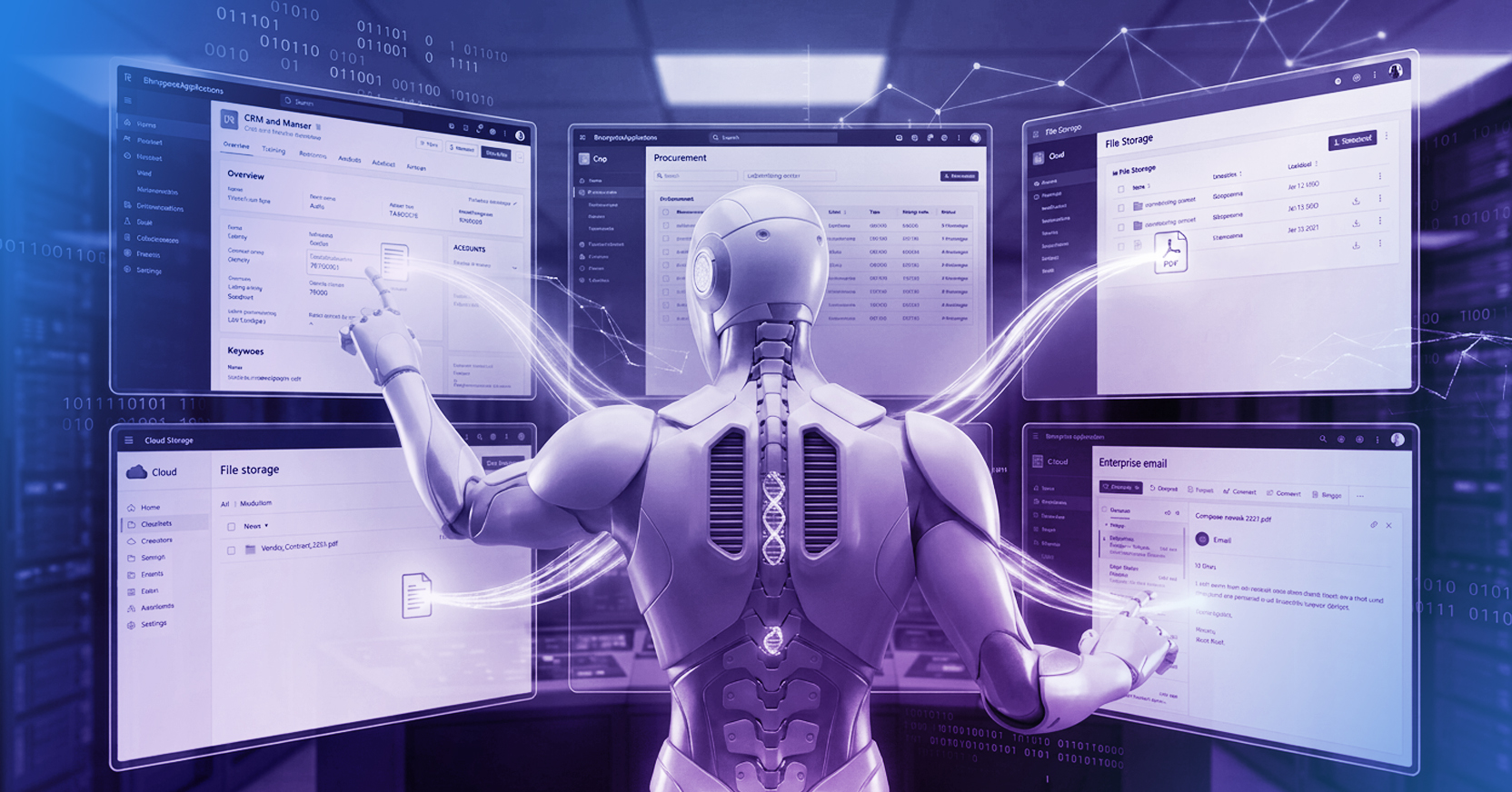
AI agents become enterprise actors when they move beyond generating responses to navigate applications, handle data, and complete tasks. This shift challenges controls designed around identifiable people applying judgment at human speed. Organizations must connect agent actions to accountable owners and initiating users, scope access to specific tasks, require approval for consequential decisions, and capture enough context to understand how each outcome occurred.
Because many agents work through browsers and software-as-a-service applications, governance must remain active after authentication. Menlo Agent Runtime Security applies policy throughout the live browser session, giving security teams visibility and control over application activity, sensitive data movement, file interactions, and actions requiring human review. This lets enterprises expand agent use while maintaining control over the workflows those agents touch.
Ask a generative AI tool to summarize a report, and it returns an answer. Ask an AI agent to update a customer record, retrieve a contract, or submit an expense, and something more consequential happens: the AI enters an enterprise workflow and acts within it.
That distinction changes the role AI plays inside the organization. Agents can navigate applications, access sensitive information, move files, enter data, and complete multistep tasks on a user's behalf. Each action may resemble something an employee already does, but a single instruction can launch several actions across multiple systems before a person has time to evaluate each step.
Most enterprise workflows were designed around identifiable people. A person signs in with an assigned identity, uses permissions tied to their role, and applies judgment before taking an action. Existing controls generally assume someone is present to recognize when a request looks unusual, a file seems suspicious, or a decision warrants a second opinion.
AI agents complicate those assumptions. The user may initiate the task, but the agent performs the work. That raises immediate questions about whose identity the agent uses, which permissions it receives, when it must stop for approval, and how the organization reconstructs what happened afterward.
As agents take on more operational responsibility, organizations need controls that account for the difference between human intent and agent action.
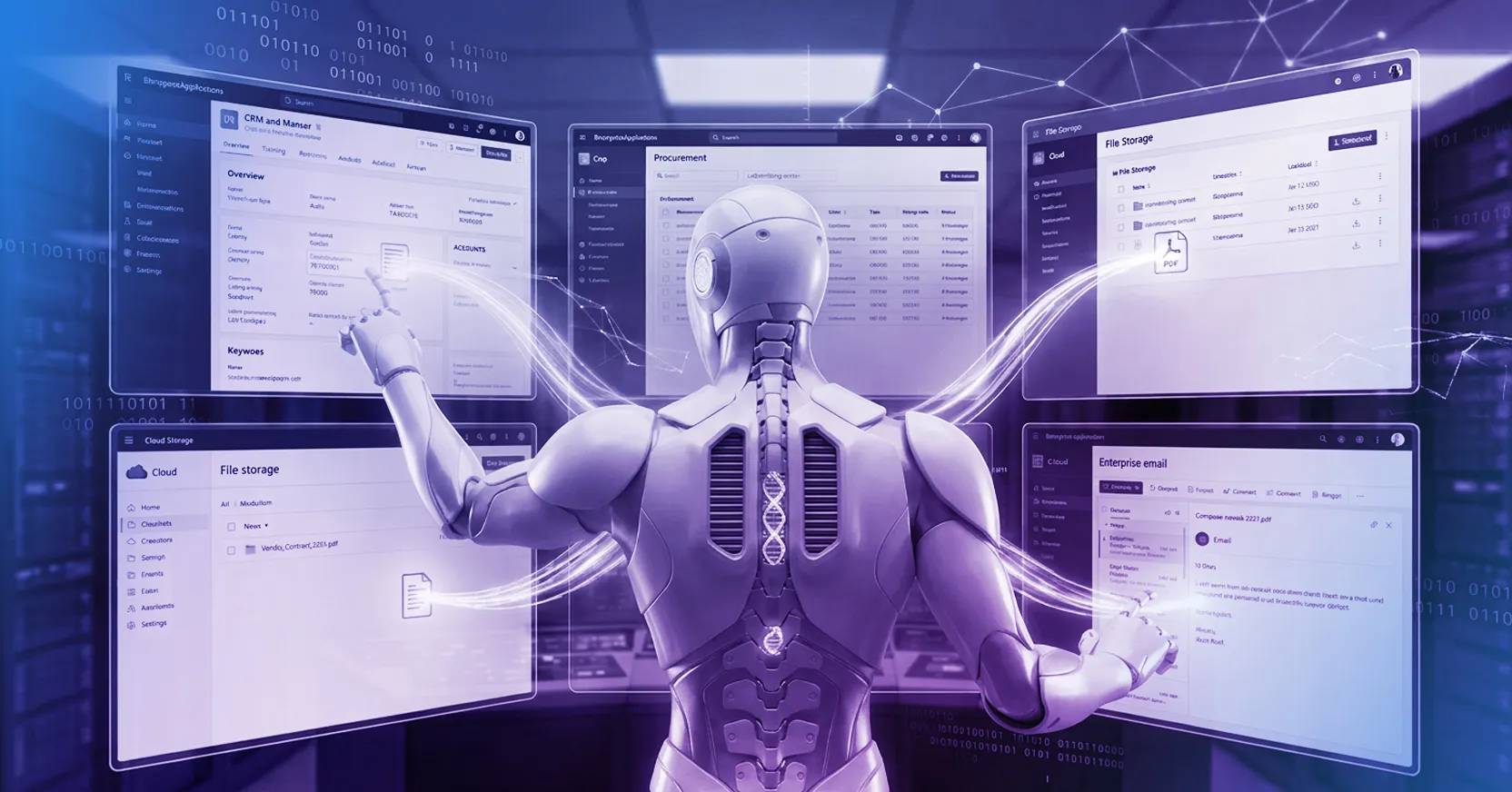
Consider an employee who asks an agent to identify vendor contracts approaching renewal. The agent may open a procurement platform, retrieve records, download contracts, update renewal dates, and share its findings with the legal team. One instruction can initiate activity across several applications and data sources.
The employee defines the objective, but the agent performs the work. It chooses which records to open, what information to use, and how to move between systems. Its decisions can alter business data and trigger downstream processes.
Security teams may see only the employee's authenticated session or isolated application events. That view can obscure which agent acted, which credentials it used, and what data it touched. Preserving those connections gives organizations the context to assign access, enforce policy, require approval, and establish accountability.
Enterprise controls were built around people who sign in, interpret information, and decide what to do next. Even when software automates part of a process, responsibility typically traces back to a known user following a defined workflow.
Agents add another decision-maker between the user's request and the final outcome. Existing controls still matter, but their assumptions must account for an actor that can interpret instructions, move between systems, and act faster than a person can review each step. Four control areas feel that pressure first.
When an employee performs a task, their identity usually follows them through the workflow. Agent-driven work separates the person who requested the task from the actor who completed it.
An activity record may show that an employee's account opened a contract, changed a renewal date, or sent information to another system. That record remains incomplete if an agent performed the action using the employee's credentials. Security teams need to know who initiated the task, which agent executed it, and which credentials provided access.
Each agent should also have a defined owner and approved purpose. Connecting the agent to both an accountable owner and the initiating user gives the organization a clearer record of responsibility. Without that context, agent actions can blend into ordinary user activity, making unusual behavior harder to recognize and investigate.
An agent acting on behalf of an employee may be able to reach everything available within that employee's session. Its assignment will usually require only a fraction of that access.
A contract-renewal task, for example, may require the agent to read vendor agreements and update records in a procurement system. It does not necessarily need access to payment settings, employee data, or unrelated legal documents. Inheriting the user's full permissions can lead the agent to exceed its intended purpose, whether through error, unclear instructions, or manipulation.
Access should reflect the specific task, applications, data, destinations, and time involved. Entry into an application should establish where the agent may work, while more precise controls determine what it may view, change, download, upload, or share once inside.
Human review should focus on decisions where the consequences justify interrupting the workflow. Routine and reversible actions can proceed within policy, such as retrieving an approved record, populating a draft, or organizing information.
However, an agent should pause when an action could expose sensitive data, initiate a payment, communicate externally, alter permissions, or delete information.
This keeps people focused on decisions that require judgment while the agent handles lower-risk work within defined limits.
Traditional logs can show that a file was downloaded, a record changed, or data was sent to another application. Agent oversight requires the context that connects those events.
Security teams need to understand who requested the task, what instructions the agent received, which applications and data it accessed, and what policy or approval decisions shaped the outcome. They may also need to know whether content from a webpage, message, or file influenced the agent's behavior. That detail becomes especially important when investigating prompt injection or an action that departed from the original request.
A connected record of instructions, activity, policy decisions, approvals, and outcomes lets teams reconstruct agent behavior. It also supports investigations, compliance reviews, and policy updates as agent use expands.
Identity and access controls determine whether an agent can enter an application. Once the session begins, the agent may still encounter situations that those initial decisions could not anticipate.
Agents often work through browsers and software-as-a-service applications, moving between customer records, cloud storage, email, collaboration tools, and external websites. Along the way, they may handle sensitive data, download files, copy information between applications, or encounter content from sources the organization does not control.
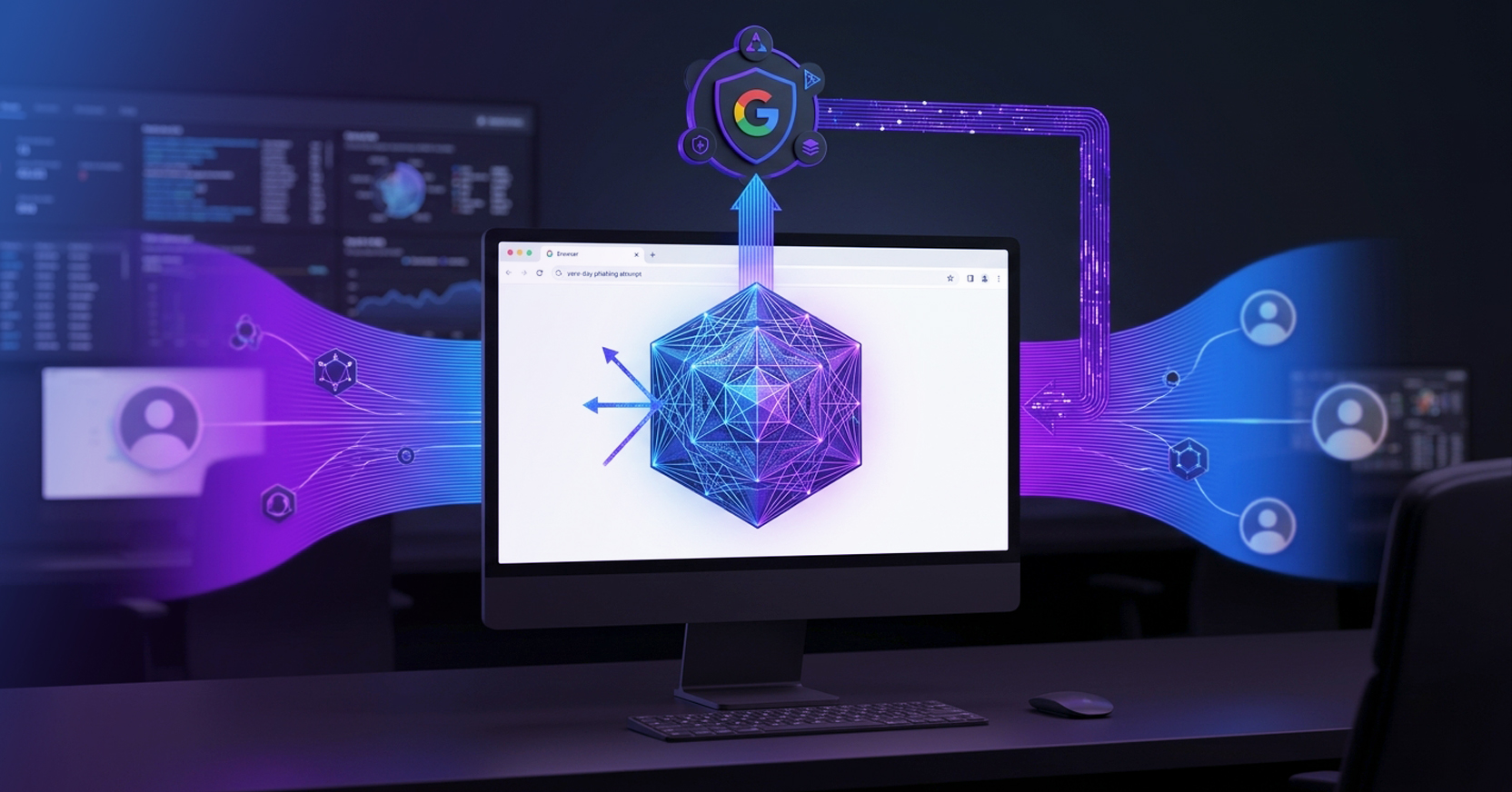
That content can influence what the agent does next. A prompt injection hidden in a webpage, message, or document could direct the agent to disregard its original task, reveal information, or take an unauthorized action. The agent may be properly authenticated and operating through valid credentials when this happens. From the application's perspective, its activity can appear legitimate.
Those risks emerge after authentication, so governance has to remain active throughout the session. Organizations need to evaluate what agents access, where they move data, how they interact with files, and whether each proposed action fits the assigned task. Controls should block actions outside policy or route consequential decisions for human review.
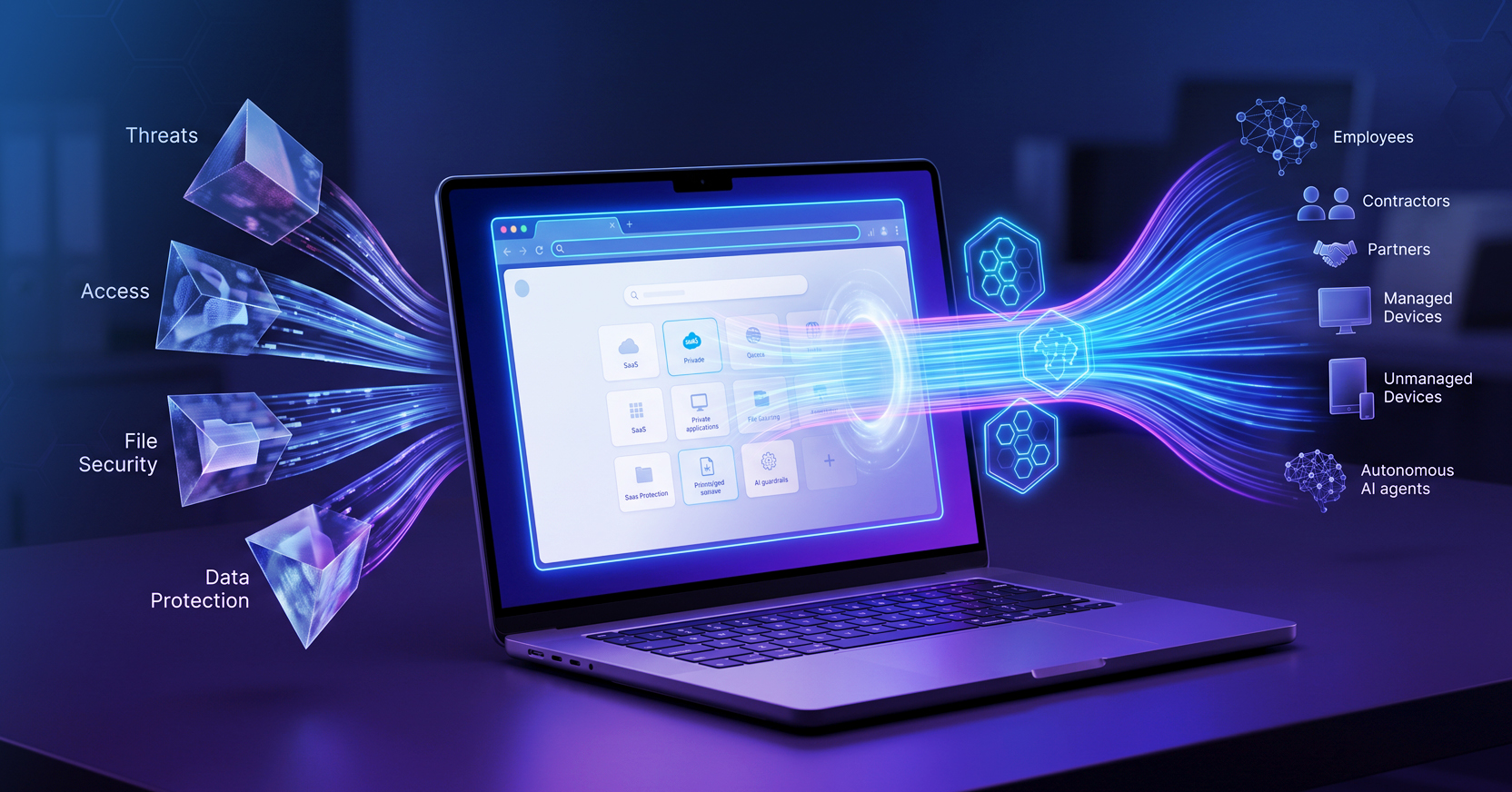
The browser is a practical enforcement point because it sits between the agent and many of the applications, files, and data involved in its work. Applying policy at that layer creates consistent control across workflows, even when individual applications offer different levels of visibility.
Runtime controls can enforce what an agent may do, but organizations must first decide what constitutes acceptable behavior. That responsibility cannot sit with a single team because agent-driven workflows cross business, security, identity, technology, privacy, and application boundaries.
Business leaders define the outcome, while application owners identify the systems and actions the workflow requires. Identity and security teams translate those needs into access policies, session controls, approval requirements, and monitoring. Privacy and legal teams set the boundaries for regulated or sensitive information. Governance aligns these responsibilities around the same workflow.
Every agent should have an accountable owner, an approved purpose, a defined access policy, and an escalation path when its activity falls outside that purpose or policy. Organizations also need to determine which actions the agent may complete independently and which require a person to review the context and accept responsibility for the outcome.
Those decisions should follow the agent throughout its lifecycle. A change in its instructions, model, application access, or business purpose can alter what it can do and the risks it introduces. Governance established before deployment must be revisited as the agent changes, and its credentials, access, and integrations should be removed when it is retired.
This shared operating model gives teams a repeatable way to introduce and expand agent use. Business units can pursue valuable applications while security teams maintain control over the processes, systems, and information involved.
The policies, ownership structures, and approval rules governing an agent matter only if they can be enforced while the agent is working. For browser-based workflows, that means applying controls inside the live session, where the agent interacts with applications, processes content, moves data, and turns decisions into action.
Menlo Agent Runtime Security (MARS) extends governance beyond authentication. It applies policy throughout the session, giving security teams visibility into agent activity and control over how agents access applications, handle sensitive information, interact with files, and move data between destinations. When a proposed action exceeds the agent's authority or carries greater consequences, MARS can bring a person into the review process.
Agents can complete routine activity within defined boundaries without making manual approval the default for every task. Security teams retain the context needed to understand what happened and intervene when policy requires it.
AI agents will continue to take on more work across enterprise applications. Governance must operate where their decisions affect business systems and data. Keeping policy active inside the browser session gives organizations control as those responsibilities grow.
Request a demo to see how Menlo Agent Runtime Security governs AI agents inside the browser sessions where they act.
Menlo Security