Executive Summary
Security teams are responsible for a wider range of business and technology risks than the operating model supporting them was designed to handle. Artificial intelligence, evolving ransomware, growing compliance obligations, and a more complex workforce have expanded the CISO mandate beyond traditional threat prevention. Security leaders must now govern how employees, contractors, partners, and AI agents access applications, use sensitive data, and conduct business without slowing productivity or transformation.
Adding a specialized tool for each new risk can make that responsibility harder to carry. Every additional product introduces policies, integrations, alerts, evidence, and maintenance work. Detection-heavy approaches may identify more suspicious activity without giving teams the capacity to investigate it, while blunt controls generate user frustration, exception requests, and risky workarounds. Additional staff and surface-level automation can relieve some pressure, but they do not correct an operating model that continues to create manual work.
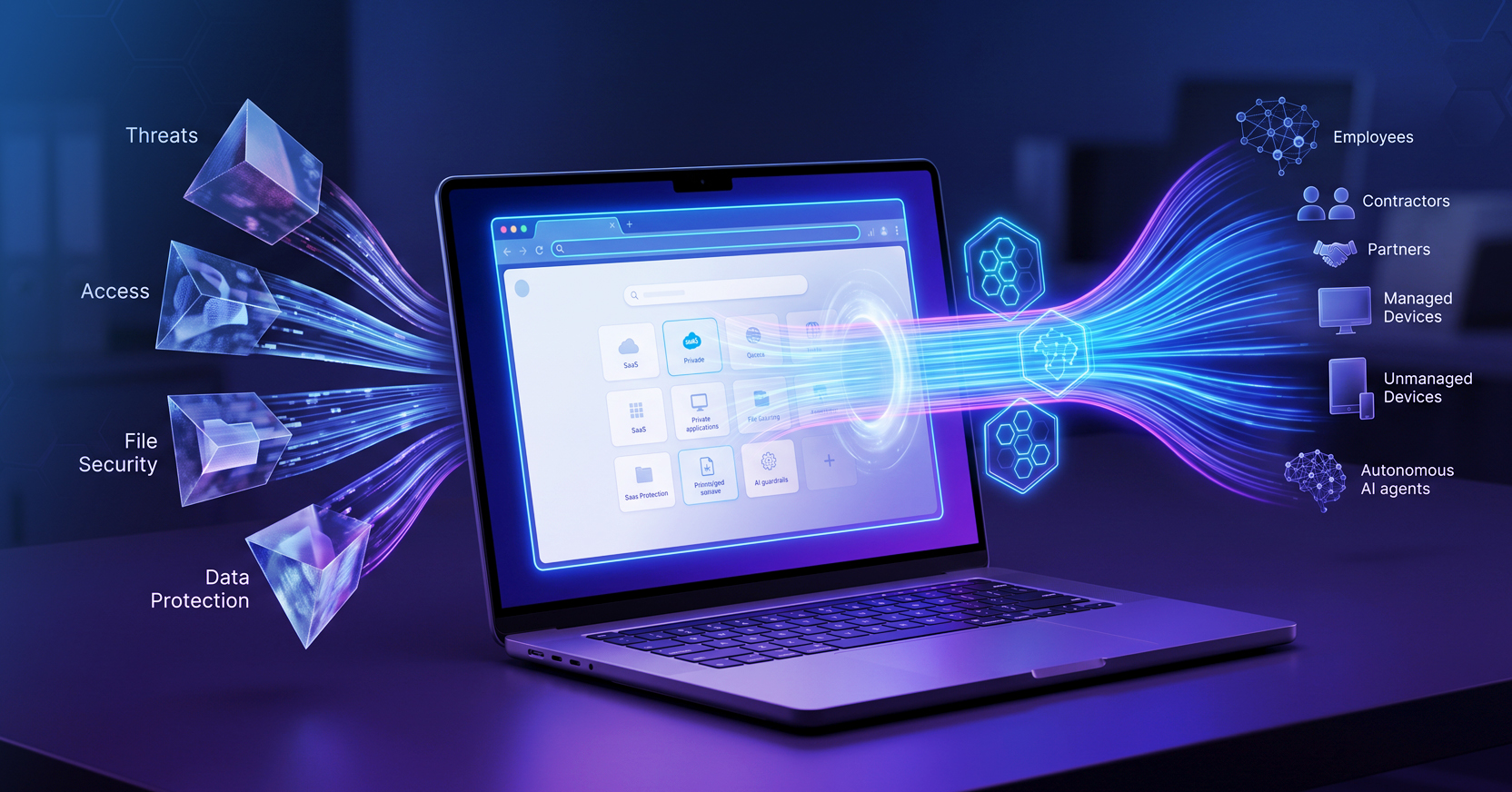
Security organizations need greater leverage from their controls. By applying AI guardrails, threat prevention, access, file security, and data protection closer to where work occurs, teams can address risks before they become investigations. Menlo Security brings these controls together around the browser and surrounding data flows, helping organizations protect human and autonomous activity while reducing policy duplication, operational overhead, and user friction.
A CISO can start the day with requests to demonstrate ransomware readiness, approve a new artificial intelligence initiative, produce evidence for an audit, protect sensitive data, and give contractors access from unmanaged devices. None of these requests is unusual. Together, they show how far the security mandate has expanded.
Yet, the operating model supporting that mandate has not evolved at the same pace. Many security programs were built around human users, managed devices, and defined network boundaries. Their workflows also assumed that security teams would have time to detect, investigate, and contain suspicious activity. Today, employees, contractors, partners, and AI agents access the web, applications, and data from a growing range of locations and devices. Security teams must govern that activity while keeping the business productive.
Security teams are facing greater risk while also being asked to enable more kinds of work. Meeting that responsibility requires an operating model that reduces the tools, queues, and manual decisions created as the mandate expands.
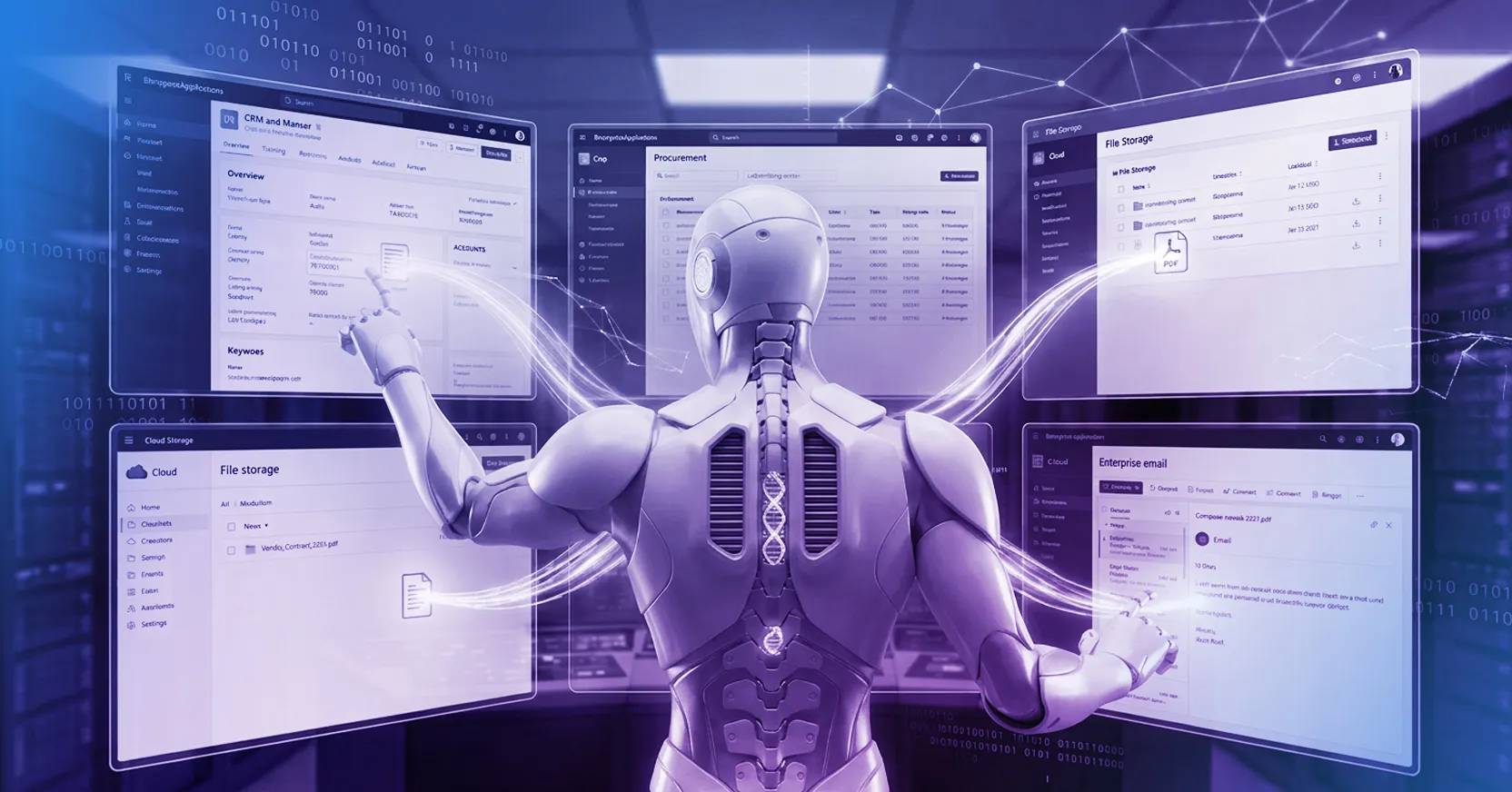
Artificial intelligence alone has added several layers to the CISO’s responsibilities. Security teams must establish acceptable-use policies, prevent employees from exposing sensitive information to public models, and assess the assistants that appear within browsers and business applications. They must also prepare for autonomous agents that can access data, navigate applications, and take action with limited human involvement. At the same time, business leaders expect security to support AI adoption quickly enough to preserve its value.
Ransomware has undergone a similar expansion. An attack may begin with phishing or credential theft, evade traditional detection, move through trusted applications, and steal sensitive data before disrupting operations. Defending against it requires coordination across threat prevention, identity, endpoint security, data protection, incident response, and business continuity.
Compliance adds another dimension. Organizations must demonstrate how sensitive information is accessed, where it moves, which controls apply, and what happened during a suspected incident. Producing that evidence becomes harder when the relevant activity is scattered across products and teams.
Employees, contractors, partners, and temporary workers may access the same applications from a wide range of devices and locations. AI agents add another type of actor with different speeds, behaviors, and access requirements. Applying the same controls to everyone can create excessive access in some cases and unnecessary friction in others.
These responsibilities all converge on the security organization. The modern CISO must stop threats, protect data, satisfy regulators, and govern access while supporting productivity, transformation, and growth. The mandate now extends across how both humans and machines use applications, handle information, and conduct business.
For years, the natural response to a new security risk was to add a tool designed specifically to address it. Organizations added detection products for new attack techniques, policy engines for emerging data concerns, and control layers for unfamiliar access patterns. Each decision may have addressed a legitimate gap, but the accumulated result is a security model that depends on an expanding collection of specialized products.
Every addition carries an operational cost. Security teams inherit another console to monitor, another policy set to maintain, another integration to support, and another stream of evidence to preserve. When an alert arrives, analysts may need to correlate activity across several systems before they can determine what happened. If two controls reach different conclusions, someone must investigate the conflict and decide which response is appropriate.
The burden also reaches the workforce. Controls that block files, applications, or actions without enough context generate exception requests and support tickets. When those controls regularly interfere with legitimate work, employees may turn to personal applications, unsanctioned AI tools, or other workarounds, creating additional risk.
Detection-heavy approaches compound the problem. They can surface large volumes of suspicious events, but finding more issues does not give the team more time to investigate them. Important activity may remain buried in the queue alongside routine cases and false positives.
Most of these investments were reasonable when they were made. They were designed for particular layers of the environment and specific stages in the evolution of enterprise security. The strain comes from continued accumulation. A control that creates another queue may provide more visibility while leaving the security team with no additional capacity to act on what it finds.
When workload outpaces capacity, adding staff and automating routine analysis can provide immediate relief. More analysts can investigate alerts and support requests, while automation can sort events, enrich tickets, and accelerate investigations. These measures improve throughput, although the workload continues to grow when each new risk produces additional manual tasks. A higher-capacity security model reduces how many routine events need attention and preserves analyst time for cases that require judgment.
Controls reduce routine work when they address risk during the activity itself. They can prevent harmful outcomes, automatically resolve predictable cases, and preserve sufficient context for analysts to investigate events that merit attention. They should also apply policy consistently across users, devices, applications, files, sensitive data, and AI agents. When those controls preserve legitimate business activity, they reduce the exception requests and workarounds that consume security resources and frustrate users.
File sanitization (also known as CDR) is a practical example of this. Instead of blocking a suspicious file or sending it to a queue for manual review, thus adding steps and downtime into the mix, file sanitization controls (depending on the level) can remove risky elements and deliver a safe, functional version to the recipient in milliseconds. Additionally, DLP applies the same principle to sensitive information by obscuring and/or blocking protected data before it reaches an unauthorized user or destination. Advanced forms of DLP can do this in real-time without the need to outright block data-while still delivering essential information to authorized users. In both cases, the control prevents a potential incident while allowing the underlying business process to continue.
A significant share of modern work converges in the browser. Employees use it to reach software-as-a-service platforms, private applications, cloud storage, generative AI tools, and the wider web. The browser has become a common interface for accessing the applications and information that keep the business running.
Contractors and partners may access the same applications as employees, often from devices the organization does not manage. AI agents can navigate browser-accessible applications, retrieve data, download files, and complete transactions at machine speed. Files and sensitive information also move beyond the browser through email, collaboration platforms, application uploads, and automated workflows. Security teams may see these channels as separate even when they support the same business process.
Securing each activity with an independent product recreates the accumulation problem. Threat prevention, access control, file security, data protection, and AI security develop separate policies and sources of visibility. Security teams are then left to connect the activity after the fact.
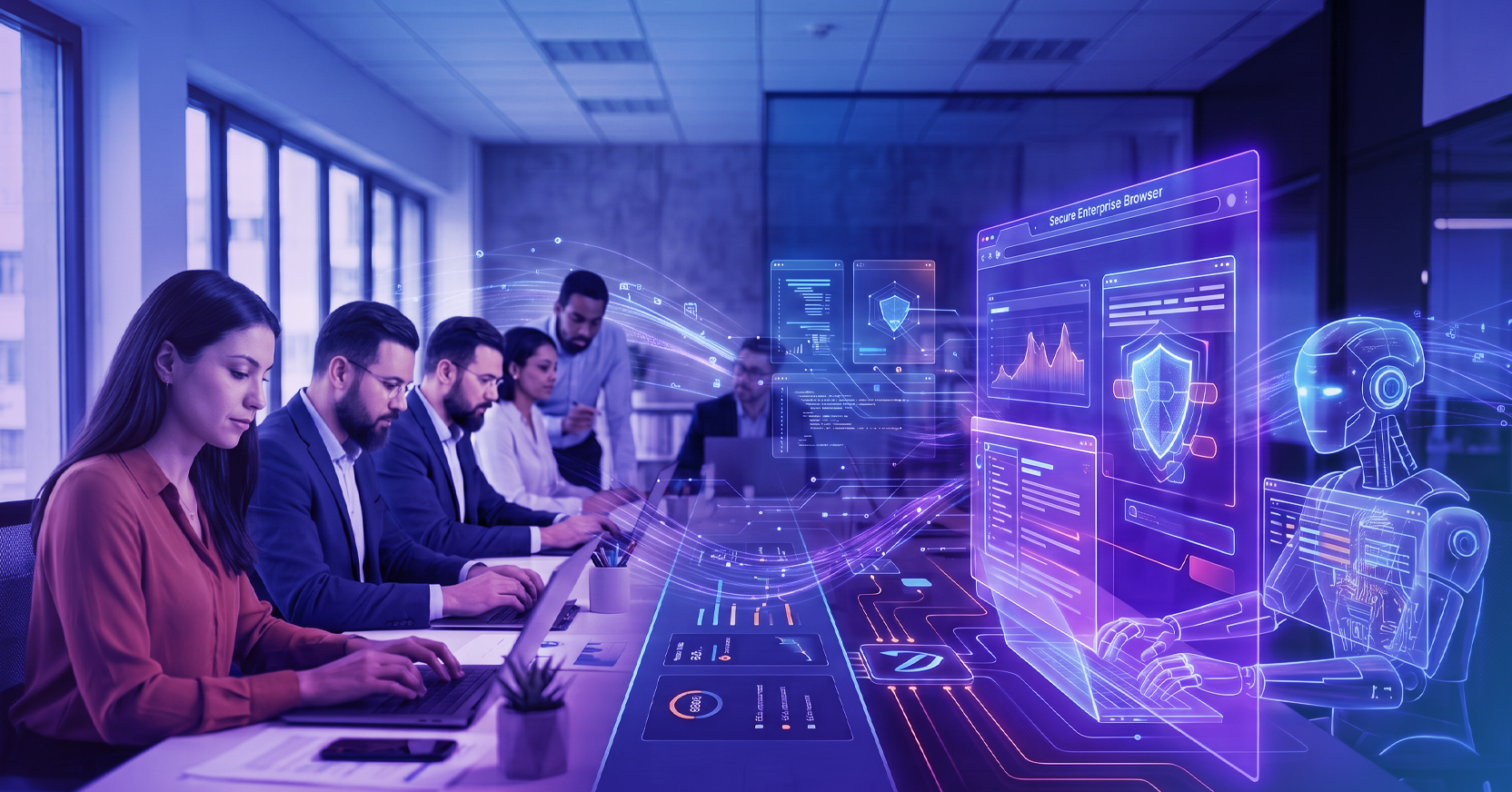
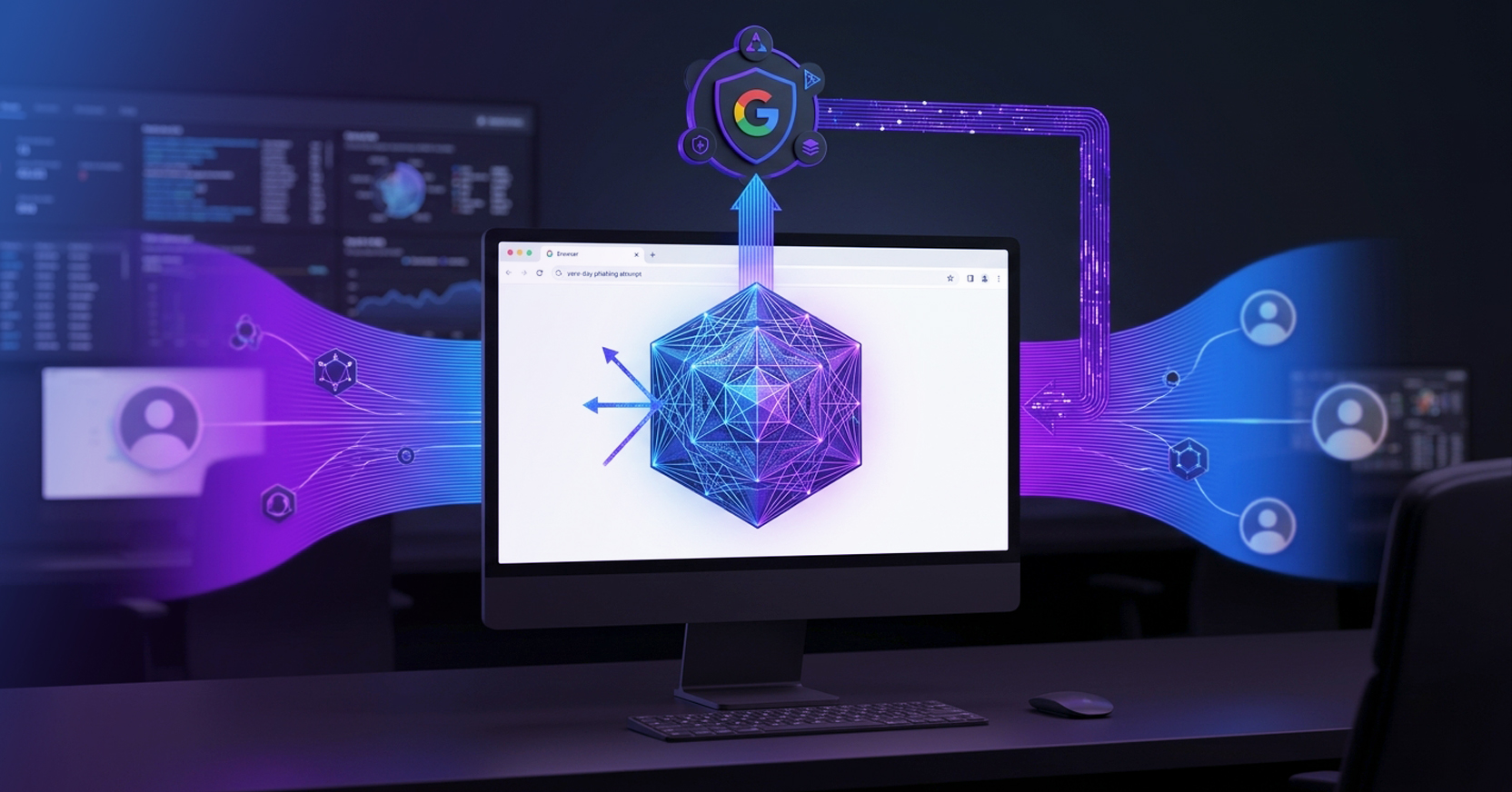
Menlo Security provides a common foundation for protecting these interactions in real time. The Menlo Secure Enterprise Browser (SEB) is a cloud-based infrastructure that protects against a broad spectrum of attacks, such as phishing, evasive web threats, ransomware, and malicious file content by stopping them before they reach users or endpoints. Both in and beyond the browser, Menlo enables organizations to protect sensitive information as employees and AI agents use applications, share files, or interact with other generative AI. Access controls can account for differences among employees, contractors, partners, managed devices, and unmanaged devices, rather than treating every session the same.
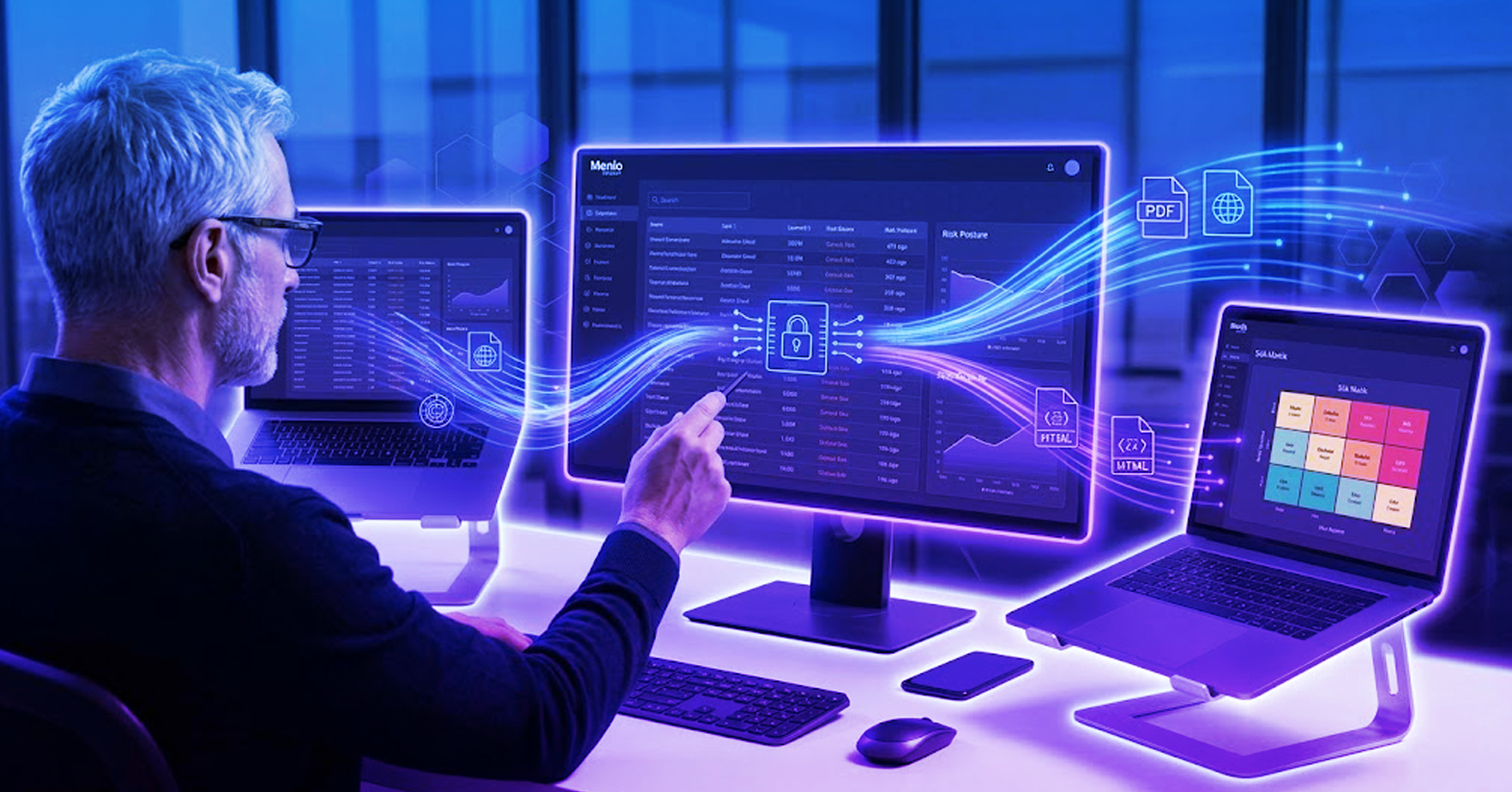
Bringing these controls together also gives security teams a more consistent view of human and autonomous activity. Policies can be applied across web sessions, applications, files, and data without requiring teams to recreate the same logic in multiple systems. When an investigation is necessary, analysts have more relevant context available without first reconciling records across disconnected tools.
Earlier threat prevention, data protection in motion, and contextual access controls can reduce manual investigations, policy duplication, maintenance work, and user exceptions. Organizing these capabilities around modern work allows Menlo to address more of the CISO mandate through a common control layer.
AI adoption, attacker innovation, regulatory change, and workforce expansion will continue to add new demands. Meeting each requirement through a separate tool and workflow causes operational burden to grow alongside the CISO mandate.
A more sustainable model prevents threats before they generate investigations, protects sensitive data as it moves, and applies controls without interrupting legitimate work. Consolidating these capabilities around the browser and surrounding data flows gives security teams shared policy, consistent visibility, and more context for the events that require human judgment. It also reduces duplicate maintenance and routine casework, giving teams more capacity to absorb new responsibilities as the business changes.
Schedule a Demo to see how Menlo Security can reduce operational burden while protecting users, data, applications, and AI agents.
Key Takeaways
Menlo Security