Security teams are under constant pressure to detect, triage, investigate, and respond faster. But a faster response does not solve the larger timing problem. Most security tools are built to act after risk has already entered the workflow, whether through a browser session, file download, SaaS application, collaboration tool, or data movement.
This reactive model creates a downstream burden for the SOC. Alerts still require attention, triage, and decisions. Automation can accelerate those workflows, but it cannot change the fact that the risky event has already reached the point of response.
The article argues that security needs to move upstream, closer to where users first encounter and interact with content. The browser and file flow are two of the earliest practical control points because they are where work happens and where many modern risks first become real.
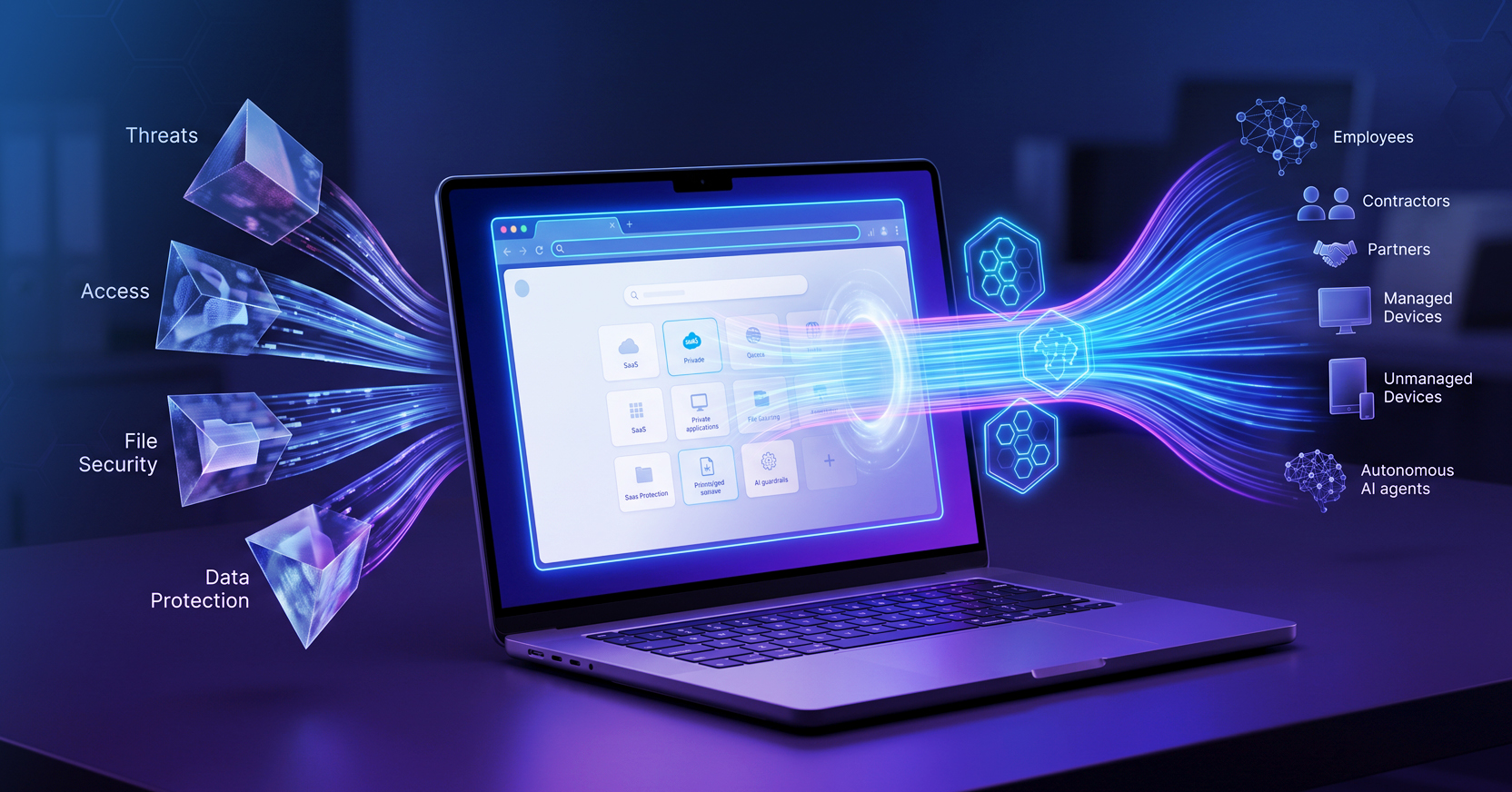
Menlo Cloud and Menlo File Security apply this upstream model by preventing the execution of risky web content at the browser layer and removing file-borne threats before delivery. This does not replace detection and response, it reduces the preventable risks that those teams are forced to handle after the fact.
Security teams are under constant pressure to: move faster, detect faster, triage faster, investigate faster, and contain faster - with every part of the modern security operation being measured against time, because every delay gives attackers more room to move.
The truth is, a faster response begins after something has already happened, whether it’s a file that’s reached a user or a browser session that loaded risky content. Either way, a signal has appeared and the security team must decide what it means.
This amounts to more than an operational delay. Unfortunately, it’s already been built into the architecture. Much of the security stack is designed to detect, alert, investigate, and respond after risk has already entered the workflow. The response may be automated, but the model still starts downstream from the moment that matters.
Alerts play an important role, but they are a complicated measure of success.
A good alert can give the SOC the context it needs to act quickly. It can show what happened, where it happened, who was involved, and what needs attention. But an alert still means the event reached a point where someone or something has been forced to react, aka, mitigate damage already begun.
Even when there’s a false positive, an alert creates work. An analyst has to review it. A system has to enrich it. A workflow has to decide whether to escalate, contain, block, or ignore it. And while better tuning can reduce noise, it does not change the basic sequence. The sequence still begins with the risky event and follows with response.
This is why alert fatigue cannot be treated only as a filtering problem. False positives matter, but volume also matters. If too many preventable events are reaching the SOC, the team is still spending time on risks that could have been stopped earlier. And sometimes, the noise becomes so much that alerts are altogether ignored and teams begin to suffer from a case of “The Boy Who Cried Wolf”.
A healthier model reduces the number of risky events that become alerts in the first place.
Most SOC workflows begin in the queue: alert, enrich, triage, investigate, escalate, contain, remediate. The sequence is familiar and necessary, but it is reactive from the start.
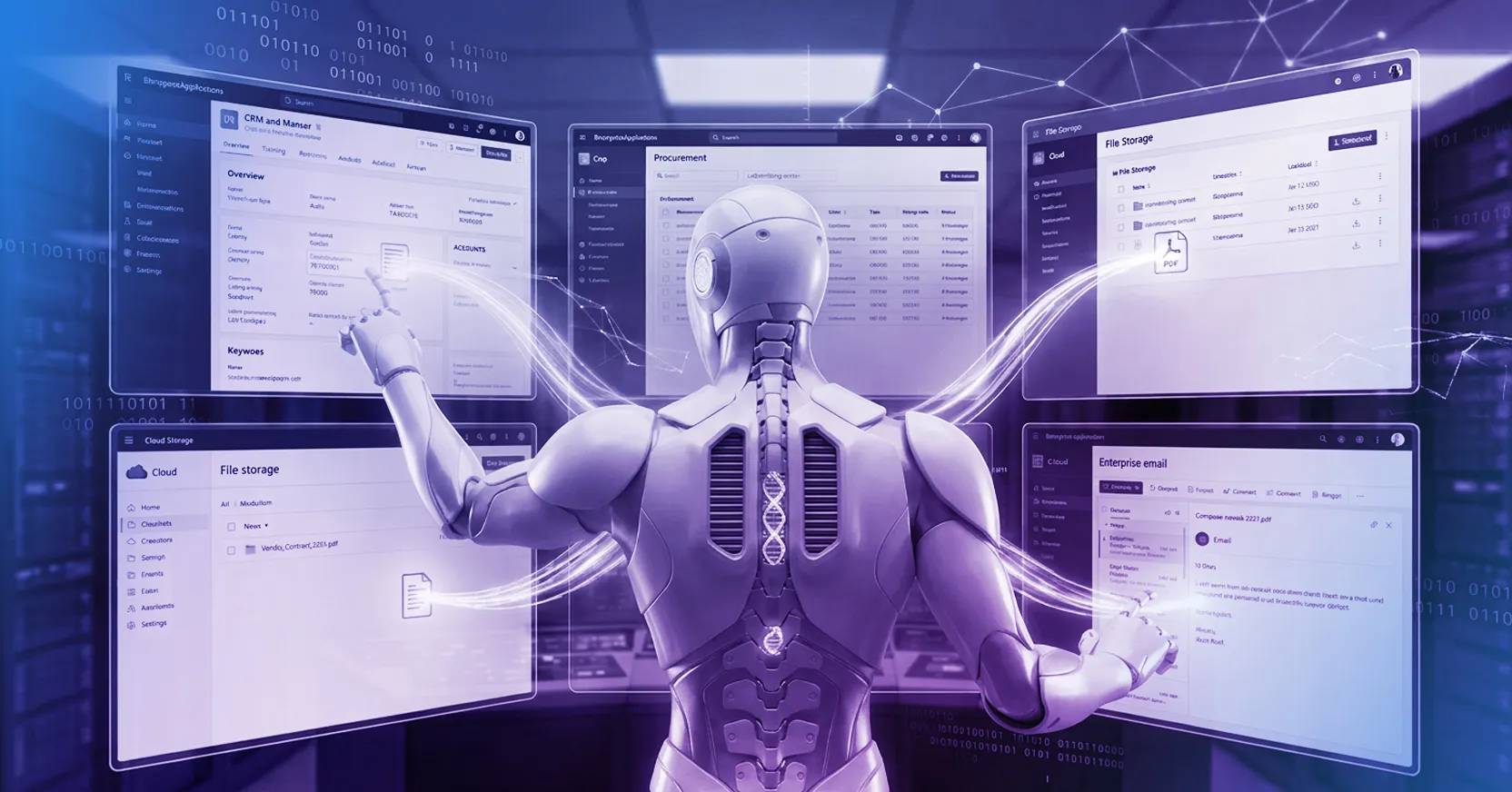
Automation can make that process faster. It can gather context, correlate events, route work, and shorten the time between alert and action, but it cannot change the starting point. By the time the workflow begins, the risk has already crossed far enough into the environment to require a decision.
And this is where the costs compound. Preventable risks first become exposure, then the analyst’s workload. Every unnecessary investigation takes time away from the events that truly need human judgment. This doesn’t even touch upon the cost of breach mitigation. A task so intensive and reputationally-damaging that it has averaged into the millions of dollars.
The better outcome is to keep more preventable work from reaching the queue.
The gap between user action and security response is now too small for investigation-first security to carry the load. A human user can click a link, open a file, approve a prompt, upload a document, or paste sensitive data into a tool in seconds. An AI agent can do this near-instataneously and in perpetuity. In either case, none of the actions look unusual on their own. They are part of everyday work. That is what makes the timing problem harder.
The risky moment often arrives through the same browser sessions, SaaS applications, downloads, uploads, and collaboration tools people rely on to do their jobs. This leaves security teams none the wiser, and the same goes for security tools designed to alert the teams in question.
Attackers take advantage of that timing. Phishing pages are designed to capture credentials before a user has time to question them. Malicious files are designed to execute when opened. Data leakage can happen through a single upload or paste. AI-generated lures and polymorphic content add more variation, making it harder for pattern-based detection to keep up. And as automated software continues to act on behalf of users, downstream investigation becomes an even weaker first line of defense.
Therefore, security controls need to sit closer to the point of interaction, before the work has already moved on.
The browser is where work happens. It’s where employees open links, use SaaS applications, research vendors, access AI tools, collaborate, and move files between services. The files that enterprises rely on to get work done are the very same ones creating a similar control point. Contracts, invoices, reports, spreadsheets, presentations, and customer documents pass through daily workflows because employees and vendors alike need them to do their jobs.
This makes the browser and files an enterprises’ primary work channels.
And while network tools protect the connection, just as endpoint tools protect the device, the decisive moment exists between those layers: inside the browser session or within the file itself. That is where a page renders, a download opens, a form gets submitted, or sensitive data leaves the intended path. Moving control to those points changes the timing.
By focusing on these two control points, security can act while the interaction is still forming, before risk turns into an alert, an investigation, or an incident.
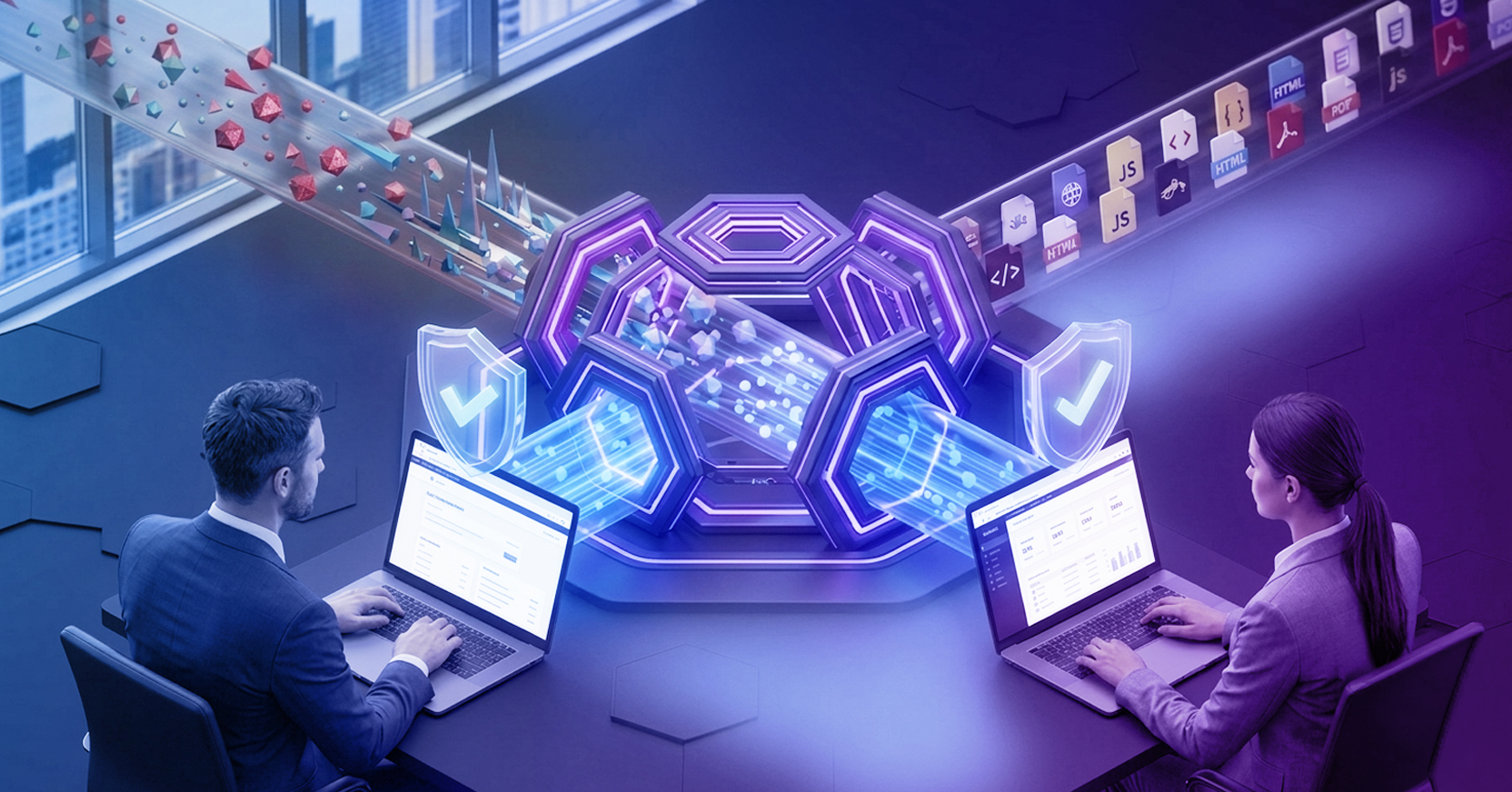
Upstream security acts before the risky condition becomes real enough to create downstream work. In browser security, that means stopping risky web content before it executes in the user’s environment, best handled outside of endpoint-reliant tools. In file security, it means removing threats before a file reaches the user, endpoint, or destination, taking a zero-trust approach.
The key is to change what the rest of the security operation has to absorb. If malicious content never executes, there is less to contain. If a weaponized file is neutralized before delivery, there is less to investigate. The goal is to reduce the number of moments when an alert is needed.
Menlo Security applies this upstream model to the browser and file layers.
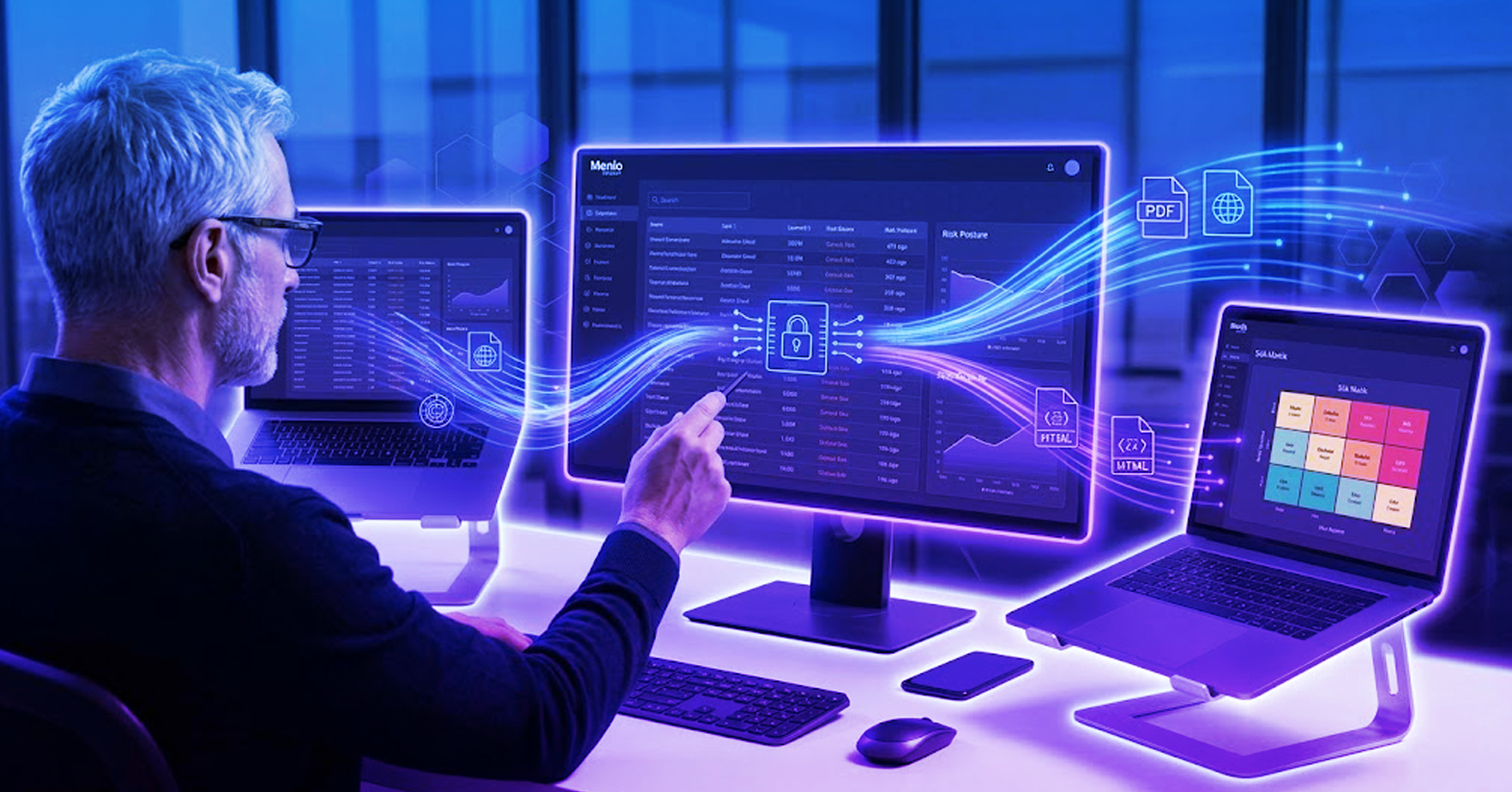
Menlo Cloud prevents malicious content from executing on the user’s endpoint, instead handling browser sessions via Menlo’s cloud-based Secure Enterprise Browser. This replaces outdated solutions with modern technology that makes browser security invisible to the user and works for every web page.
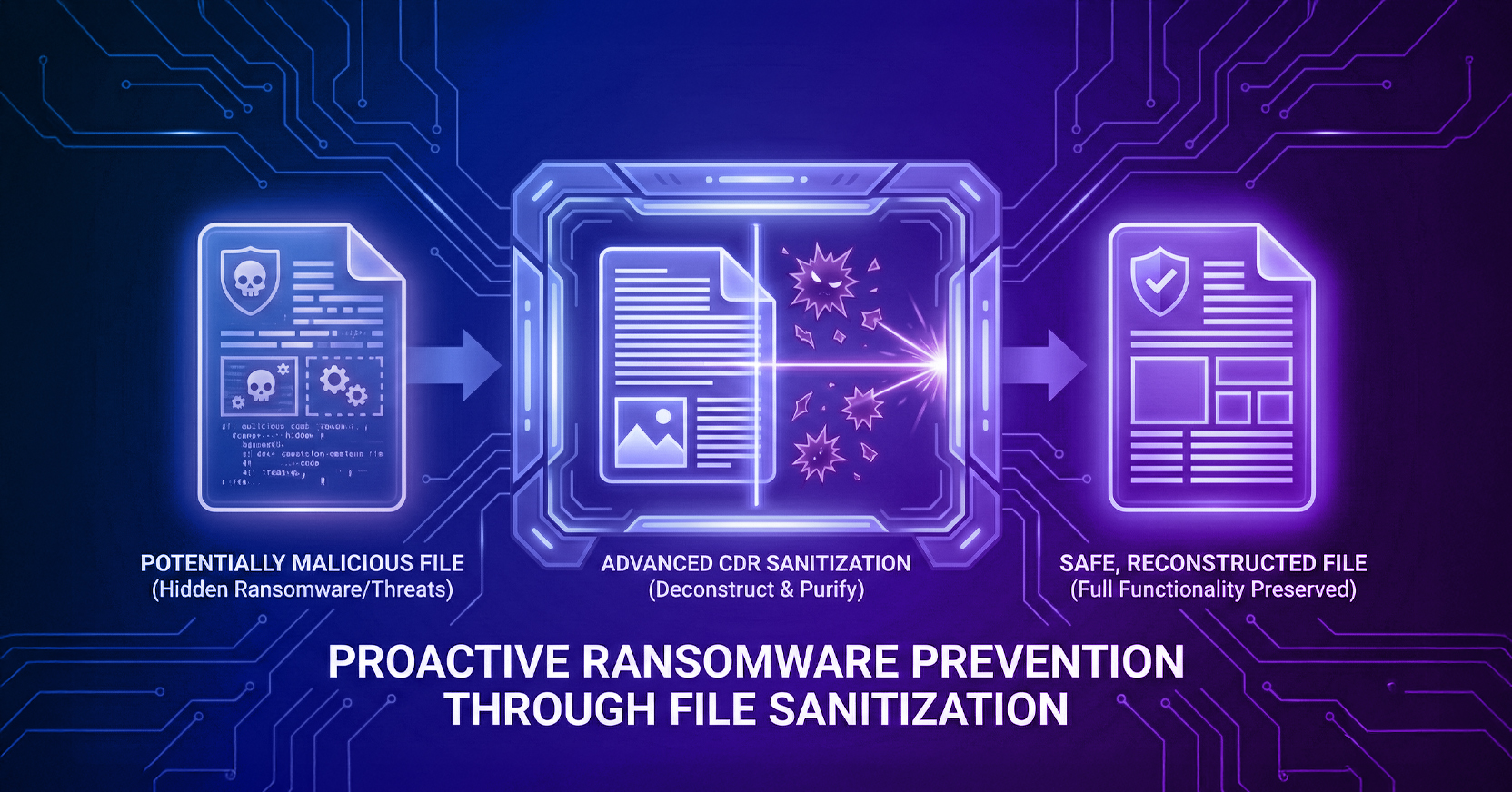
Menlo File Security applies the same logic to the files moving through the business. It removes file-borne, zero-day threats before delivery, so risky content does not have to become an endpoint event.
And while detection and response still matter for visibility, investigation, and risks that require human review, Menlo reduces the preventable risks that teams are forced to handle after the fact.
When security starts upstream, fewer preventable events become alerts. Fewer alerts become investigations. Fewer investigations become incidents that pull analysts away from higher-value work. The downstream team still matters, but it gets a cleaner problem set: fewer routine exposures, fewer avoidable escalations, and more time for the risks that truly need human judgment.
See how Menlo helps security teams move control upstream by preventing risky web content and file-borne threats before they become downstream incidents.
Menlo Security