Compliance tends to break down in everyday work, not in the policy itself. In regulated environments, employees spend their day in browsers, SaaS apps, and file-sharing workflows, yet the controls meant to protect sensitive data are often fragmented across those activities. The core argument here is that compliance becomes stronger when browser security and file protection are built directly into those workflows, helping reduce exposure during routine interactions, apply policy more consistently, and generate the visibility needed for audit and compliance efforts.
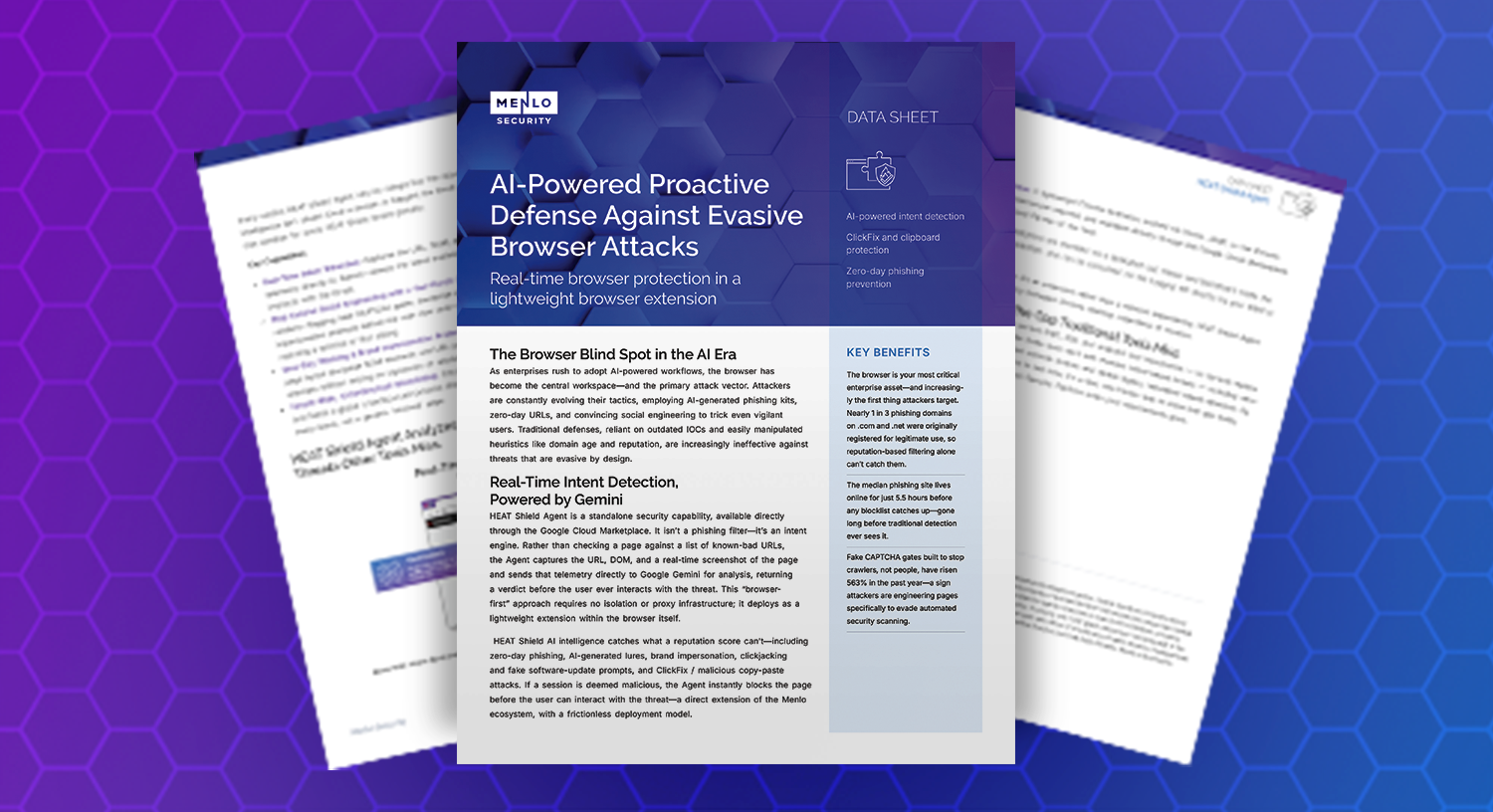
Menlo Security presents complementary solutions for that model by simultaneously protecting browser-based activity through isolation, while sanitizing files to remove hidden threats before content is opened or shared. This allows Menlo to support a more automated and sustainable approach to compliance, especially in regulated sectors like healthcare, financial services, and the public sector, where sensitive data, strict oversight, and high-volume digital workflows make continuous enforcement critical.
Your compliance program looks solid on paper. You've mapped your frameworks, documented your policies, and defined clear requirements for data protection. But if you're like most CISOs, you know the real challenge isn't in the policy documents—it's in making compliance work when your people are actually doing their jobs.
The gap between policy and practice shows up in the most routine activities. Your employees spend their days in browsers, accessing SaaS applications, downloading files, and sharing information across systems. Each of these interactions creates potential exposure, whether it's sensitive data revealed during a browsing session or a file carrying hidden threats into your environment. These moments happen constantly, move quickly, and resist traditional control methods.
The problem gets worse when you realize most organizations use separate tools to manage each piece of this workflow. One solution governs browsing, another scans files, and others try to monitor data movement. The result is fragmented protection at exactly the points where data moves fastest—and where compliance risk is highest.
What if compliance could be built directly into these everyday workflows instead of layered on top of them? When browser security and file protection work together as a single system, you can automatically enforce policies, reduce dependence on user decisions, and maintain continuous compliance rather than scrambling to prove it during audit season.
Most compliance frameworks require you to protect sensitive data both in motion and at rest. That sounds comprehensive until you look at how work actually happens. Your employees live in the browser—accessing SaaS platforms, interacting with external content, moving files in and out of the business. These routine actions create the highest compliance risk and prove hardest to control.
The real exposure happens in the transitions. A user browses external content, downloads a file, opens it, and shares it forward. Each step might have a control, but the handoff between them often doesn't. Browser sessions create user-driven risk while file transfers carry embedded threats or policy violations. Your compliance gap lives in that transition.
Point solutions can't close this gap. Browser tools secure sessions but don't sanitize files. File tools inspect content but don't govern how it gets accessed or created. You end up with fragmented coverage exactly where data moves fastest and compliance matters most.
Effective compliance works in the background of normal business operations. Instead of depending on users to follow policies or teams to catch problems after the fact, controls get applied in real time without creating bottlenecks or requiring individual judgment calls.
This means every session, every file, and every interaction follows the same rules regardless of who's using the system or how quickly work needs to move. Browser sessions stay secure during user interactions with web and SaaS applications. Files get sanitized before they're delivered or opened, ensuring they're safe and policy-compliant from the start. Activity gets logged automatically to support audit requirements without creating extra work for your teams.
When done right, these controls operate with minimal friction. Your employees work normally while enforcement happens in the background. This is where integrated browser and file security makes the difference—continuous, automated compliance that doesn't slow the business down.
Making compliance automatic requires securing both sides of the workflow: the user interaction and the content it produces.
On the browser side, Menlo's Secure Enterprise Browser protects users during web interactions. Instead of letting content execute directly on endpoints, sessions get isolated and rendered safely, keeping threats at distance. This approach stops web-based attacks before they reach users, reduces the risk of sensitive data exposure during sessions, and enables safer access to SaaS applications and external resources. You control the session environment without changing how employees work.
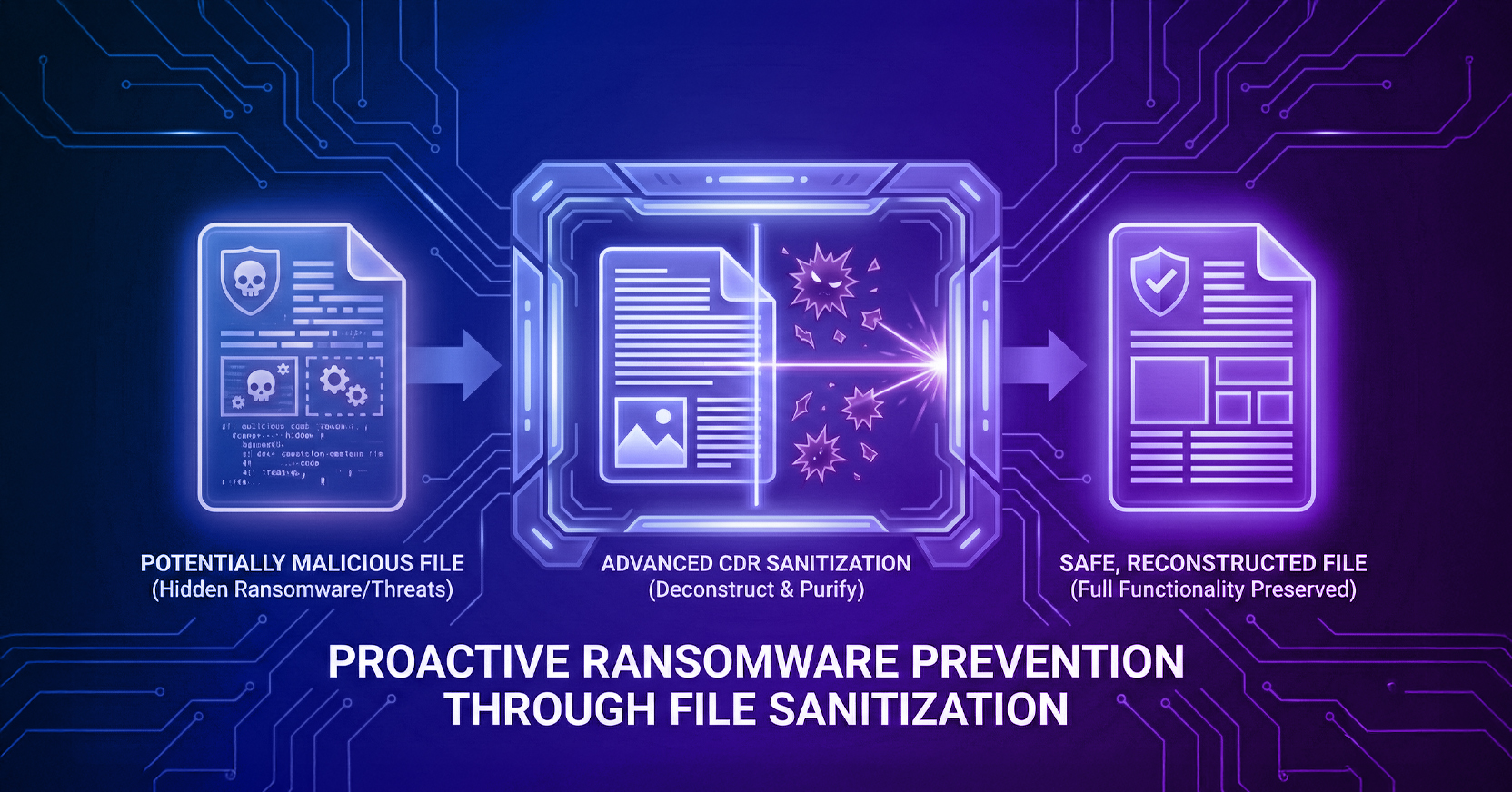
On the file side, Menlo File Security addresses what happens to the content using Content Disarm and Reconstruction (CDR). Files often hide active elements that aren't immediately visible, carrying threats or compliance violations into your environment. Instead of trying to detect whether a file is safe, the system strips active elements and reconstructs files into clean, usable versions. This ensures documents entering or moving within your organization are safe and policy-aligned before they're ever opened or shared.
When these layers work together, they close the gap most compliance programs leave open. The browser protects the interaction, file security ensures content integrity, and the transition between them is no longer a blind spot. You get continuous coverage across the full workflow, from initial web access to final file use, with compliance enforcement embedded in the process rather than applied afterward.
PCI DSS requires you to protect cardholder data and control access to systems that handle it. Browser isolation contains session-level threats during payment workflows and limits data leakage through web interactions. File sanitization ensures uploads, downloads, and shared documents don't carry malicious content that could compromise systems or violate requirements. Together with detailed logging, you get the visibility and evidence auditors expect.
HIPAA focuses on safeguarding protected health information across its lifecycle. Healthcare environments depend heavily on web-based systems for patient records, claims submission, and provider collaboration. Securing browser sessions reduces exposure during these interactions, especially in cloud workflows. File sanitization plays a critical role in document exchange, ensuring medical records, forms, and supporting files are safe before they're opened or shared.
GDPR emphasizes data protection by design and default, requiring you to minimize exposure and enforce safeguards throughout data handling. Browser isolation reduces the risk of personal data exposure during web interactions, particularly in SaaS and cross-border workflows. File sanitization ensures documents moving between systems don't carry hidden risks that could lead to breaches.
SOX centers on the integrity and reliability of financial data and reporting. Your teams frequently access financial systems through browsers and work with sensitive documents like spreadsheets and reports. Securing browser sessions reduces compromise risk when accessing these systems, while file sanitization ensures documents used in reporting are free of embedded threats or unauthorized modifications.
ISO 27001 provides a broad framework for managing information security risk. It requires organizations to implement controls across access management, threat protection, and continuous monitoring. Integrated browser and file security directly support these objectives by reducing exposure during user interactions and ensuring that content entering the environment is safe by default. By embedding these controls into daily workflows, organizations can operationalize their security policies more effectively, turning high-level requirements into consistent, enforceable actions.
For most organizations, compliance still gets layered on top of daily work. Files get reviewed after they're received, activity gets audited after the fact, and teams fill gaps during audit cycles. This creates delays, inconsistency, and human error. Even with strong policies, enforcement varies because it depends on people catching issues rather than systems preventing them.
Automation changes this model. When controls are built into browser sessions and file handling, enforcement becomes immediate and consistent. Files don't need manual review, and risky interactions get controlled in real time. Automated logging captures activity as it happens, making audits easier and more reliable.
You shift to continuous compliance instead of periodic preparation. Controls stay active, evidence is always available, and compliance becomes part of the workflow rather than an extra step. This is especially critical for regulated industries like financial services, healthcare, and government, where you handle highly sensitive data under strict audit requirements while relying on browser-based workflows and constant file exchange.
Compliance works best when it's built into how work gets done, not added afterward. When controls operate within browser sessions and extend to the files moving through them, enforcement becomes consistent, visible, and reliable. You reduce risk at the point of activity rather than trying to account for it later.
This creates a more sustainable compliance model. You can simplify audits, reduce operational overhead, and maintain continuous control without slowing business operations. Your security team manages integrated protection instead of coordinating separate tools, and your organization maintains audit readiness year-round instead of scrambling during review cycles.
Schedule a demo today to learn how integrated browser and file security can simplify compliance across your organization.
Menlo Security