Sandboxing is a critical security concept in information technology designed to enhance system protection against various threats. It involves creating an isolated environment, often called a ‘sandbox,’ where applications, web browsers, or specific code segments can operate safely without affecting other system parts. This method is analogous to a child’s sandbox in a playground, where activities are contained within set boundaries, preventing interference with the external environment.
In computing, sandboxing allows for the safe execution and testing of untrusted programs or code, limiting their access to system resources and data. This isolation is vital for preventing the spread of hidden malware, safeguarding sensitive information such as private data, and maintaining overall system integrity. By restricting the scope of actions and permissions to what is strictly necessary, digital sandboxing minimizes the risk of security breaches and system damage, making it an indispensable tool in modern cybersecurity strategies.
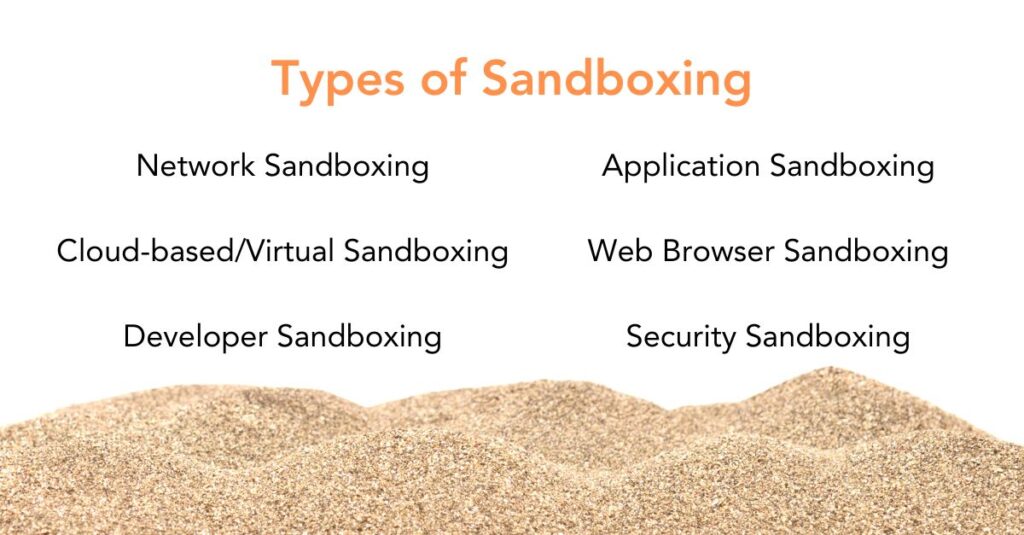
Sandboxing comes in various types, each serving a specific purpose:
Application sandboxing confines individual applications in an isolated environment. It’s commonly used in operating systems and mobile apps to restrict access to system resources and data, preventing the application from affecting the overall system.
Web browser sandboxing isolates web browser activity from the rest of the system. Each website or tab operates in a separate sandbox, ensuring malicious websites or downloads do not compromise the user’s computer.
Security sandboxing allows cybersecurity professionals to examine suspicious code, malware, or unknown threats in a controlled environment. It’s a proactive measure for understanding and mitigating potential security risks.
Network sandboxing is used in network security to analyze traffic and detect threats like viruses, worms, or other malware before they infiltrate the network.
Cloud-based or virtual sandboxing involves running a sandbox in a cloud or virtual environment. It offers the flexibility of testing and analyzing threats without relying on physical hardware resources.
Developer sandboxing allows developers to code and test in an isolated environment. This prevents potential errors or untested code from affecting the primary development environment.
No matter the type of sandboxing, its core design is to isolate, test, and secure different aspects of computing and network environments.
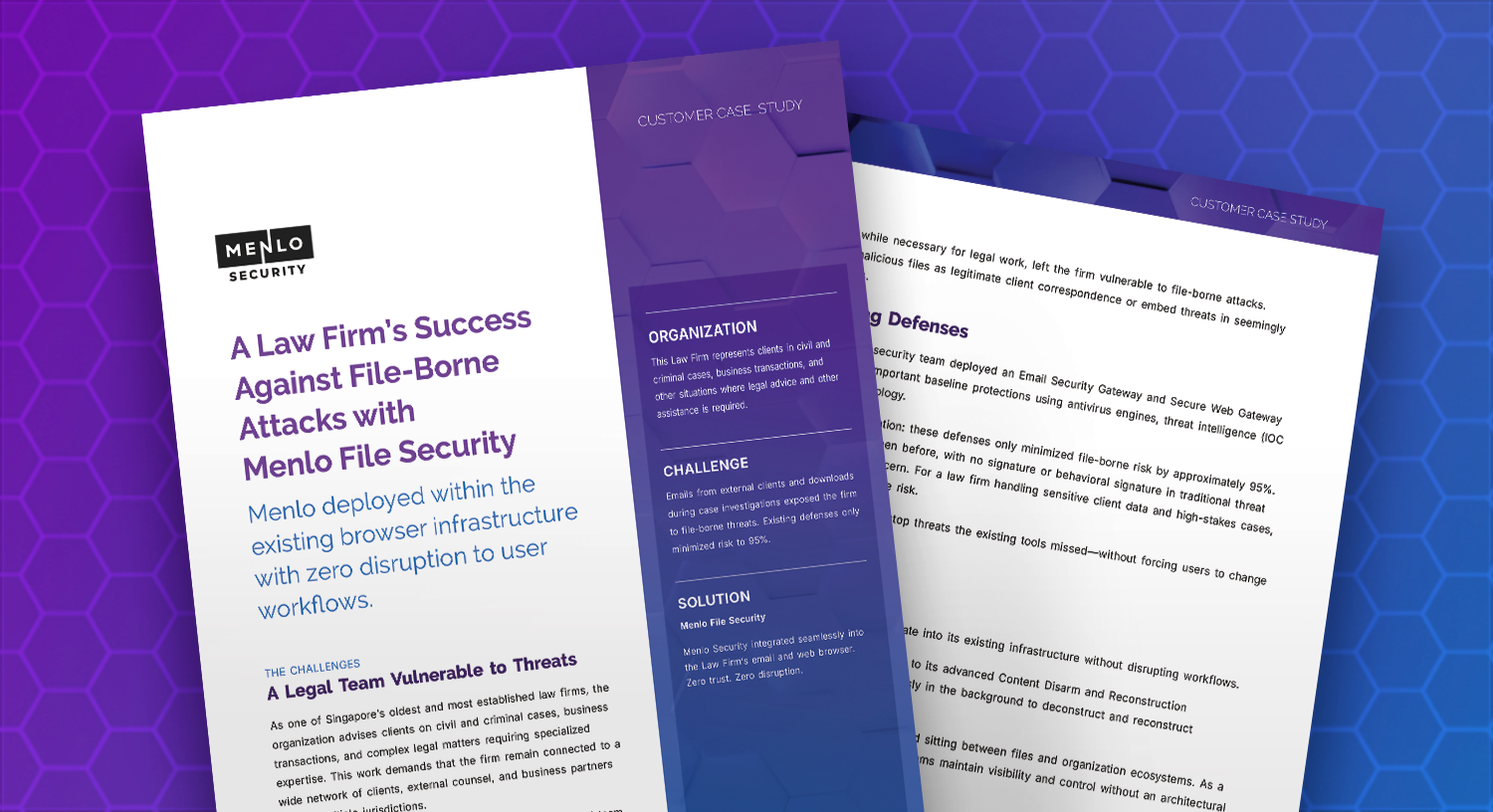
When used in conjunction with other file security tools, such as Menlo File Security, sandboxing can offer numerous benefits, serving as a protective cocoon for individual users and organizations.
The primary advantage of sandboxing is security; by isolating code in a separate environment it prevents known and unknown malware or faulty applications from harming the rest of the system. This confinement not only safeguards against external threats but also provides a testing ground for new or untrusted applications without risking system integrity. Additionally, it enhances data privacy, as sandboxed applications have limited access to user data. Operational efficiency is also boosted, as multiple sandbox environments can be created quickly and scaled as needed.
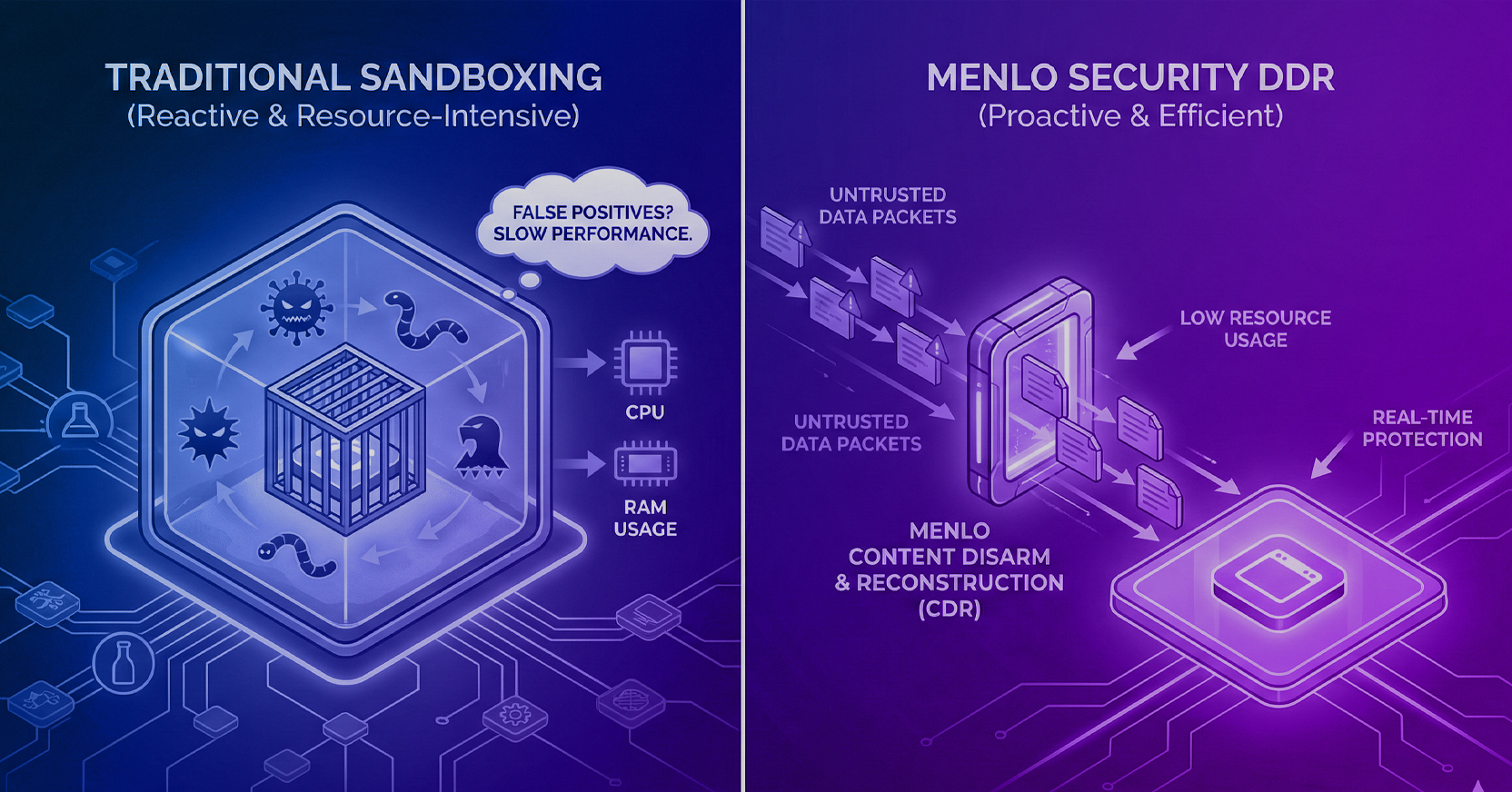
Despite its benefits in enhancing cybersecurity, sandboxing presents several challenges to those looking for true file security, including:
The most effective cybersecurity defense is a layered approach – otherwise known as defense-in-depth – combining different security controls for comprehensive protection. Sandboxing plays a crucial role in this strategy by providing a secure, isolated environment that prevents potential threats from infiltrating the broader network. However, the goal is not just to contain threats but to prevent them from entering these environments in the first place.
This is where solutions like Menlo File Security come into play.
First and foremost, Menlo's File Security platform is built on zero trust principles. By treating every file as a potential threat and sanitizing it accordingly, this ensures optimal protection against zero-day attacks that traditional tools can miss. This is especially true for endpoint security tools that rely on a reactive approach rather than an active defense.
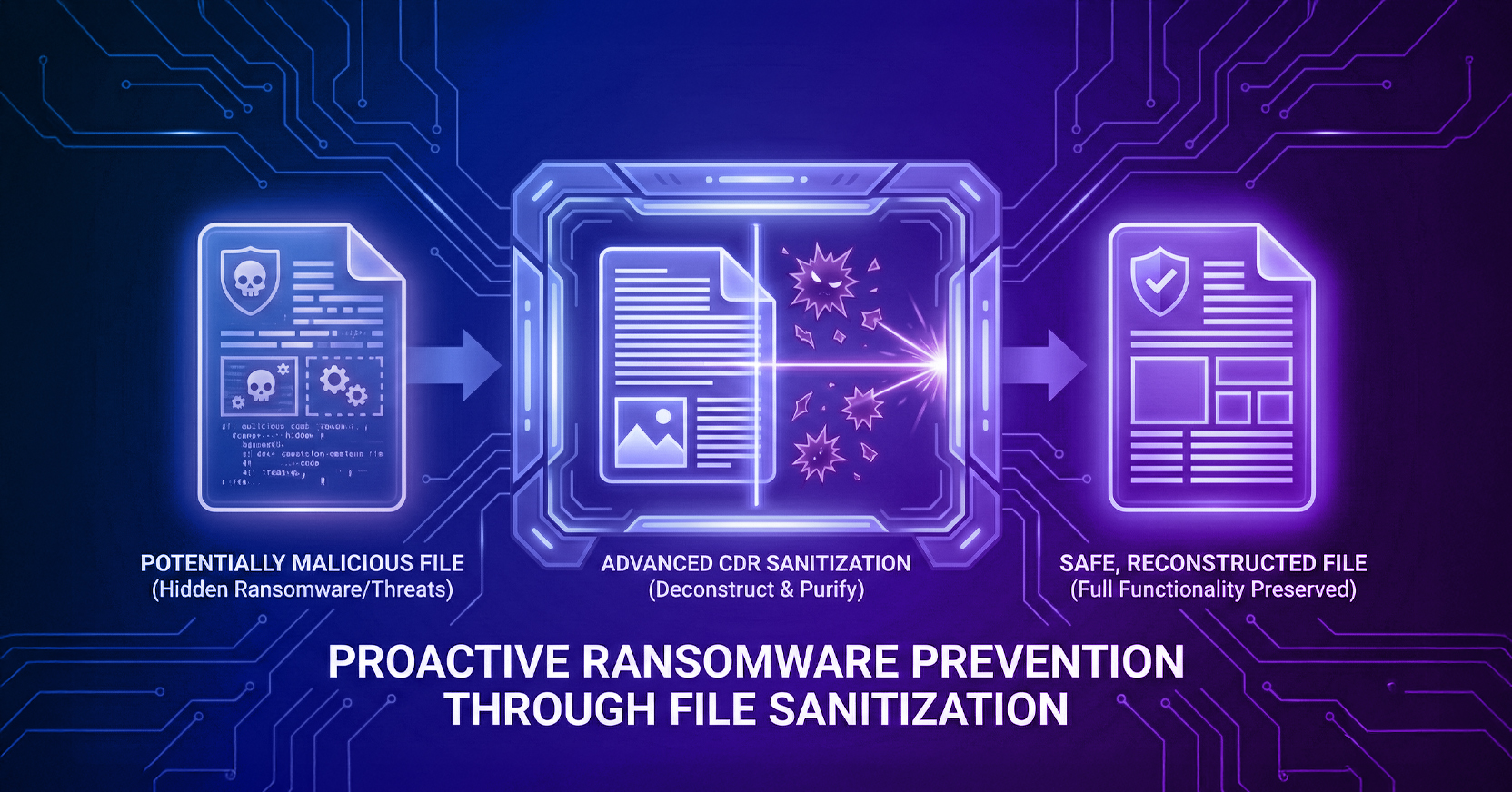
Menlo Security uses a combination of next-gen Content Disarm and Reconstruction (CDR), Antivirus (AV), hash check, and sandboxing technologies. While the AV component is adept at detecting known threats, our patented Positive Selection® technology (also known as level 3 CDR) is particularly effective against zero-day and previously unseen threats. It works by reconstructing files or ‘sanitizing’ incoming content and stripping away potentially harmful elements before it reaches the sandbox. This multi-faced approach to data security ensures a more robust and proactive defense, significantly bolstering an organization’s security posture against cyber threats.
Unlike the complexities of setting up and managing a sandboxing environment, Menlo offers a remarkably straightforward and user-friendly solution.
Menlo's cloud-based, open API simplifies the integration process significantly, enabling customers to quickly set it up with their environments in order to protect browser downloads, web upload portals, email attachments, and more. This ease of configuration stands in stark contrast to the often lengthy and intricate process of implementing a sandbox. Integration can be completed in a few hours, significantly reducing the days or weeks required for more complex systems. Once installed, Menlo operates with minimal management or intervention, functioning seamlessly in the background, sanitizing content as it is received and ensuring immediate protection without the need for later review.

How does sandboxing protect against malware?
Is sandboxing effective against zero-day exploits?
What is the difference between a virtual machine and a sandbox?
Menlo Security