The 2026 CISO isn't exhausted by too much work. Security leaders have always had too much work. The exhaustion comes from accountability that has expanded faster than the authority to match it. Today's CISO answers to the board on security posture, to the general counsel on personal legal liability, and to the CFO on program ROI, all simultaneously, with the same budget, against a threat surface that grew by an order of magnitude while those accountability structures were being built. This post breaks down the pressures defining the role in 2026, why they compound rather than stack, and the one place they all converge.
The CISO role changed because security moved from a technical function to a strategic one, whether the organization was ready or not. Five years ago, a CISO presenting to the board was explaining what a firewall does. Today, they're explaining regulatory exposure, ransomware consequences, and whether the organization's AI deployment strategy will survive its first incident.
Several forces reshaped the enterprise underneath the role:
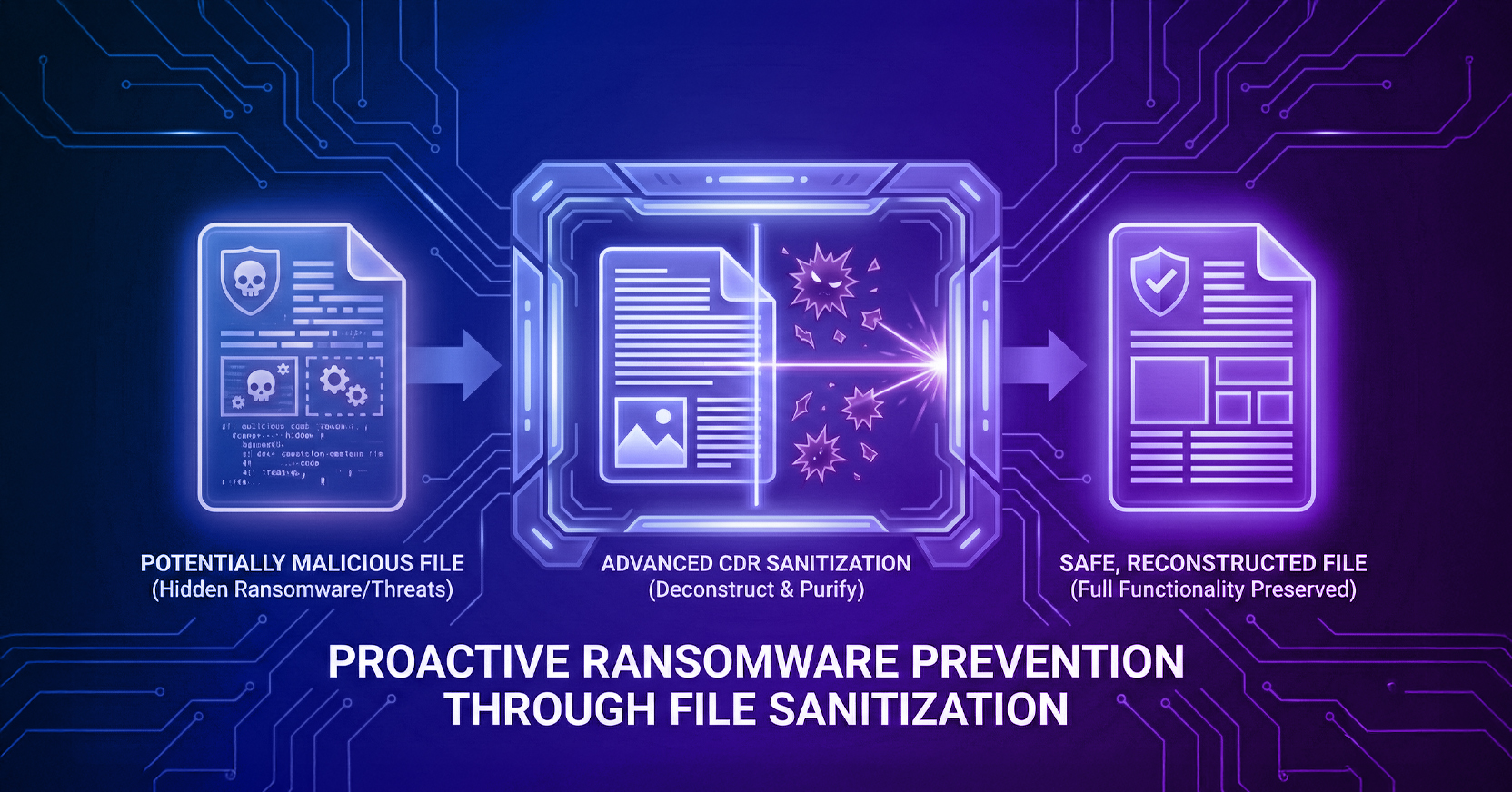
The defining pressures on the 2026 CISO are AI governance, ransomware's changed nature, identity exposure, fragmented compliance, tool sprawl, and talent scarcity. None of them arrives alone. Enterprise security in 2026 isn't defined by any single threat but by the simultaneous convergence of pressures that individually would strain a mature security organization.
These challenges compound because each one amplifies every other. They are a single, interconnected business problem, not a list of separate ones. An over-privileged AI agent is an identity problem, an AI governance problem, and a compliance problem at once. A ransomware chain that begins with a phishing page is a threat-prevention failure that becomes a regulatory event the moment exfiltrated data triggers disclosure obligations. Adding another point solution to address any one of them in isolation doesn't solve the problem. It adds another integration to maintain, another alert queue to manage, and another domain of expertise to staff.
The CISO who treats these as one problem, rather than six, will be ahead of the curve.
All of these pressures converge in the browser session: the workspace where employees spend most of their day, where AI agents operate, where regulated data moves most actively, and where most attacks now arrive. Network security secures the pipe. Endpoint security secures the machine. Neither protects what happens inside the session itself.
That gap connects everything above:
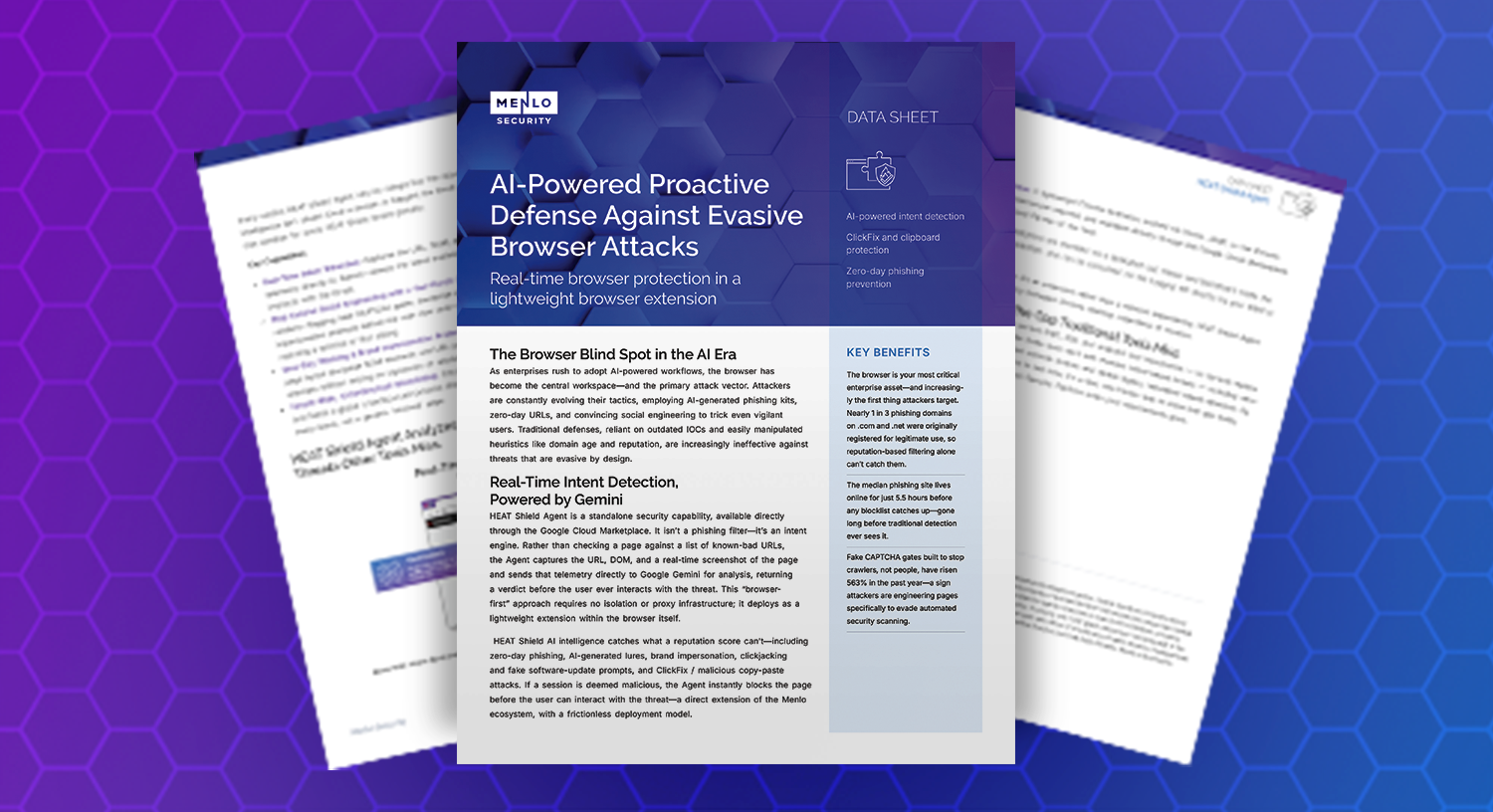
The browser isn't one more surface to secure. It's the surface. Closing the gap doesn't require rebuilding the security stack; it requires adding visibility and control at the layer where the stack currently ends. That is the design premise of the Menlo Browser Security Platform: one policy plane governing threat prevention, data security, and access for every session, whether the actor is a human or an AI agent.
The 2026 CISO is responsible for security posture to the board, personal legal liability to the general counsel, and program ROI to the CFO, all at the same time. The role now spans AI governance, regulatory strategy including data residency, ransomware resilience framed as business risk, and identity governance for both human and non-human actors.
The browser session is where employees work, where AI agents operate, where regulated data moves, and where most attacks arrive. Yet network tools see only the connection, and endpoint tools see only the machine. Neither records what was read, copied, pasted, or submitted inside the session, making it the least instrumented point in most security and compliance architectures.
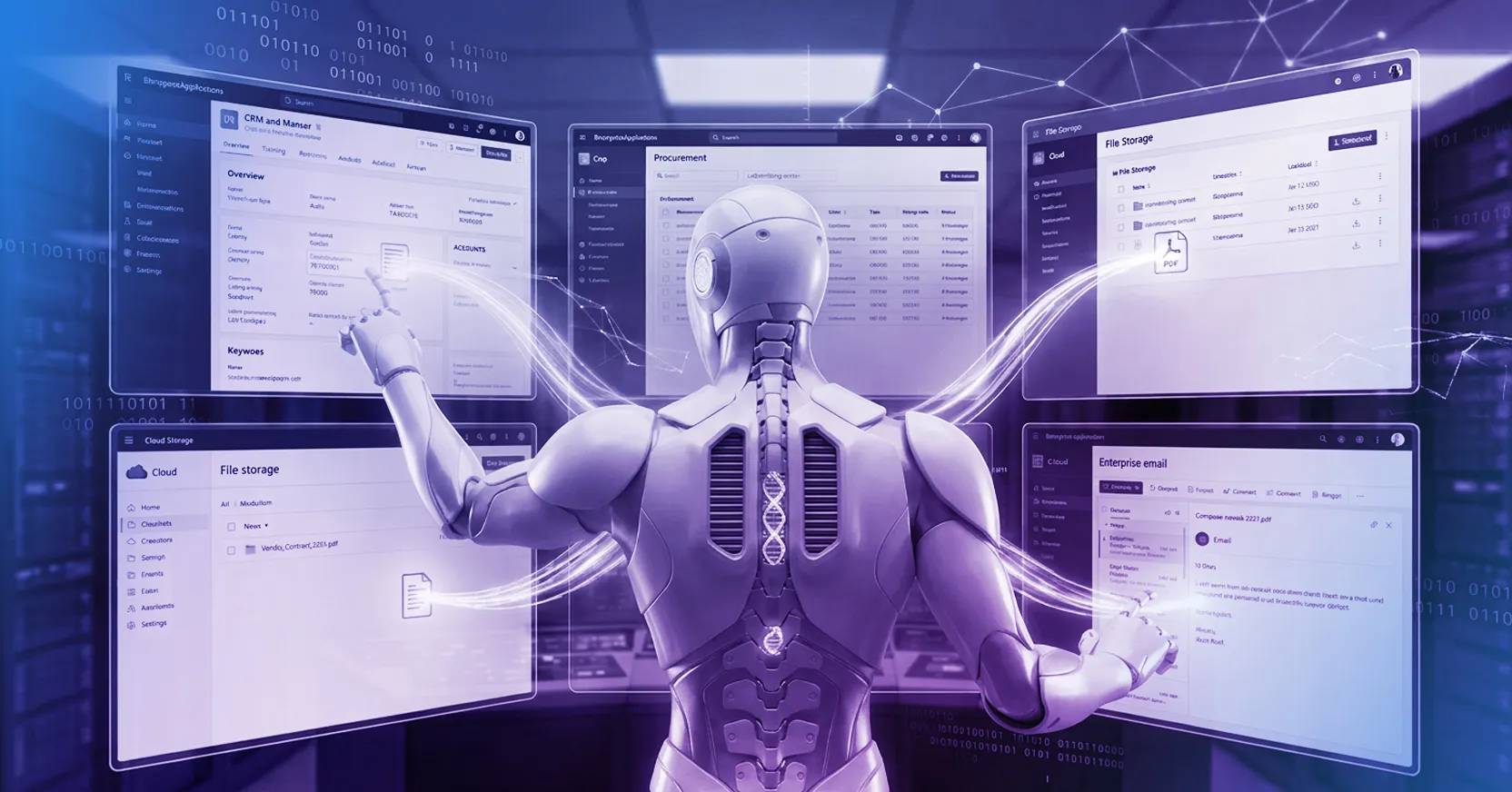
Blocking AI tools is rarely sustainable; the tools are too useful and the workarounds too easy. The practical requirement is control at the point where AI capability meets enterprise data: the browser session. That means letting employees work with AI freely while ensuring sensitive data doesn't travel into external models, and governing autonomous agents under the same policy framework as human users. Menlo AI Adaptive DLP applies this approach by masking sensitive data in real time without blocking the work.
These pressures are the operational reality of 2026, and they share a common source. The CISO's Guide to Secure Enterprise Browsers maps the convergence in full, and the architecture that closes the gap.
Download the CISO's Guide to Secure Enterprise Browsers.
About the Author
Sameep Gidda is a Digital Marketing Campaigns Specialist at Menlo Security. Focused on GEO strategy, content marketing, and AI visibility, Sameep works to ensure Menlo's expertise in browser security and agentic AI reaches the security professionals who need it most.
Menlo Security